admin1.9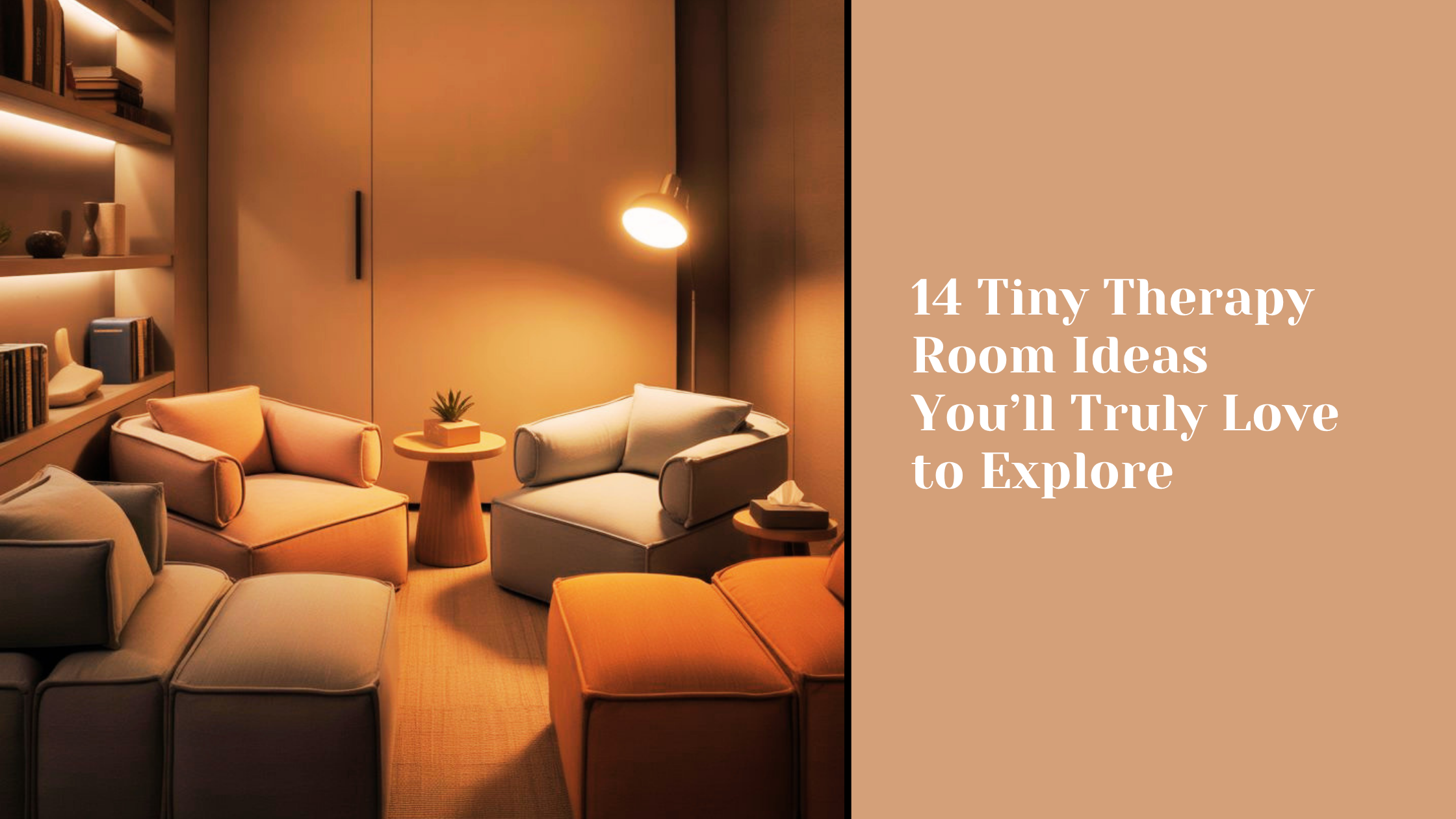
When it comes to designing a therapy room, you might think bigger is better. But from my own personal experience, some of the coziest, most effective spaces are actually tiny. A small room doesn’t mean sacrificing comfort or style, it just means you have to get creative. Tiny therapy rooms can be intimate, welcoming, and surprisingly versatile. They can make clients feel safe and at ease, help therapists stay organized, and even inspire creativity.
Let me show you how I make small spaces feel like big opportunities. Whether you’re a therapist looking to revamp your room, a student designing a practice space, or just someone fascinated by thoughtful interiors, these ideas will give you plenty of inspiration.
1. Embrace the Power of Minimalism
In a tiny therapy room, less truly is more. Clutter can feel overwhelming in a small space, so stick to the essentials: a comfortable chair or couch, a small table, and perhaps a few decorative items that evoke calm. Minimalism doesn’t mean boring—it’s about thoughtful selection. Soft lighting, soothing colors, and a few art pieces that inspire positivity can transform a small room into a sanctuary.
Based on my overall experience, removing unnecessary furniture instantly opens up the room and makes it feel larger than it is. Clients notice the difference, too—they feel less distracted and more focused on the session.
2. Light Colors Make Tiny Spaces Feel Bigger
Bright, light colors reflect light and give the illusion of space. Soft blues, pale greens, and gentle creams are excellent choices for tiny therapy rooms. These shades not only make the room feel bigger but also create a calming environment. Avoid dark, heavy colors, which can make a small space feel cramped and claustrophobic.
Painting the walls a lighter shade and pairing them with natural light can create a feeling of openness. Even if the room is physically small, clients won’t feel like they’re in a closet.
3. Optimize Lighting Strategically
Speaking of light, lighting is one of the easiest ways to make a tiny therapy room feel inviting. Natural light is ideal, but if that’s not possible, opt for warm, layered lighting. A mix of ceiling lights, floor lamps, and small table lamps can provide soft illumination without overwhelming the room.
Avoid harsh fluorescent lights—they can make the space feel sterile and unwelcoming. Warm lighting creates a cozy atmosphere that encourages clients to relax and open up.
4. Clever Furniture Choices
When you have a small room, every piece of furniture counts. Multifunctional furniture is your friend. Consider chairs with storage underneath, foldable desks, or compact shelves that utilize vertical space. You want furniture that doesn’t dominate the room but still offers comfort and functionality.
From my own personal experience, a tiny couch paired with a small side table can replace a full desk setup while keeping the space open and flexible. It’s all about maximizing utility without clutter.
5. Mirrors for Depth
Mirrors aren’t just for checking your hair—they’re powerful tools for making tiny rooms appear larger. A strategically placed mirror can reflect light, create the illusion of depth, and make the space feel airy. Full-length mirrors are great if you have wall space, but even smaller decorative mirrors can work wonders.
A mirror opposite a window can double the sense of natural light, which instantly makes the room feel more spacious. Clients often remark how open and comfortable the room feels, and honestly, it works like magic.
6. Add Greenery
Plants are a tiny room’s best friend. They add life, color, and a sense of calm. Even in a small therapy space, a few potted plants on shelves, hanging planters, or a small corner plant can make a huge difference. Not only do they purify the air, but they also provide a natural element that helps clients feel grounded.
Low-maintenance plants like snake plants or pothos are perfect for therapy rooms—they thrive even with minimal sunlight and care. Based on my overall experience, greenery can change the energy of a room more than most decorative items.
7. Texture is Key
In tiny rooms, texture can add depth and interest without taking up space. Soft rugs, woven throws, cushions, or textured wall hangings can make the room feel cozy and welcoming. Layering textures gives clients something visually comforting and tactilely pleasant to interact with.
Think beyond the obvious. A small textured wall panel or a tactile rug can completely change the feel of the room. Clients may not even consciously notice it, but it adds to their sense of comfort.
8. Floating Shelves Save Space
Storage can be tricky in small rooms. Floating shelves are perfect for keeping things organized without sacrificing floor space. You can use them for books, décor, or small organizational items. Vertical storage keeps the room functional and tidy while still feeling open.
From my own personal experience, a few well-placed shelves make a room feel intentionally designed rather than cluttered. Clients appreciate the order—it subtly communicates professionalism and care.
9. Use Compact Seating
In a tiny therapy room, seating matters. Choose chairs that are comfortable yet compact, allowing for flexibility in arrangement. If space is extremely limited, consider modular seating that can be rearranged based on the session type. A small loveseat or two cozy chairs can be more effective than a full-sized couch.
Seating should encourage relaxation, not take over the room. Comfortable cushions, small pillows, and soft fabrics help create a soothing environment without feeling cramped.
10. Personal Touches Matter
Even in a tiny room, adding personal touches makes a big difference. A framed photo, a small sculpture, or a meaningful quote on the wall can create a connection between you and your clients. Personal items humanize the space and make it feel less clinical.
Be strategic—too many personal items can feel cluttered—but the right touch can make the space feel uniquely yours and warmly inviting. Based on my overall experience, clients notice the difference immediately when a room feels intentional rather than generic.
11. Soundproofing for Privacy
Privacy is essential in therapy, and soundproofing becomes even more critical in smaller spaces. Adding soft rugs, heavy curtains, or acoustic panels can dampen noise and ensure sessions remain private. Tiny rooms often amplify sound, so taking this step shows clients you value their confidentiality.
Soundproofing doesn’t have to be expensive or elaborate. Even small changes like wall hangings or a thick door draft stopper can reduce distractions and make clients feel safer.
12. Flexible Layouts
In a tiny therapy room, flexibility is crucial. Don’t lock yourself into one layout. Moveable furniture allows you to adapt the space for different types of sessions. You might need a face-to-face conversation setup one day and a more relaxed, side-by-side layout the next.
From my own personal experience, being able to rearrange a room quickly helps keep the environment dynamic and responsive to clients’ needs. It also prevents the room from feeling stagnant or cramped.
13. Incorporate Calming Scents
Scent is a powerful tool for creating a calming environment. In a tiny therapy room, even subtle scents like lavender, chamomile, or sandalwood can make clients feel relaxed. Use essential oil diffusers or lightly scented candles to enhance the atmosphere.
Be mindful of allergies and sensitivities—strong scents can be overwhelming in a small space. A mild, soothing aroma is usually sufficient to elevate the room’s ambiance.
14. Artwork with Purpose
Art can completely transform a tiny therapy room. Choose pieces that are calming, inspiring, or thought-provoking. Nature scenes, abstract patterns, or motivational prints can set the tone for sessions. Avoid overly busy or bright artwork that may feel overwhelming in a small room.
Strategically placed art can also serve as conversation starters or focal points, drawing attention away from the room’s size. Based on my overall experience, clients often comment on how a well-chosen piece makes the space feel curated and thoughtful.
Wrapping It Up
Designing a tiny therapy room is all about intentionality. Every element—from lighting and color to furniture and décor—needs to work together to create a space that feels welcoming, calming, and functional. You don’t need a huge room to make an impact; you just need the right ideas.
These 14 tiny therapy room ideas aren’t just about aesthetics—they’re about creating an environment that encourages openness, comfort, and connection. Small spaces can be powerful when thoughtfully designed.
Whether you’re updating your current therapy room or designing a space from scratch, these ideas will help you create a room that clients love to visit and that feels effortless to maintain. Tiny therapy rooms can be stylish, cozy, and incredibly effective—it’s all about smart choices, personal touches, and a little creativity.
Now that you’ve explored these ideas, it’s time to take a look at your space. Which of these concepts will you try first? Trust me, a small room can make a big impression if you do it right.