admin1.9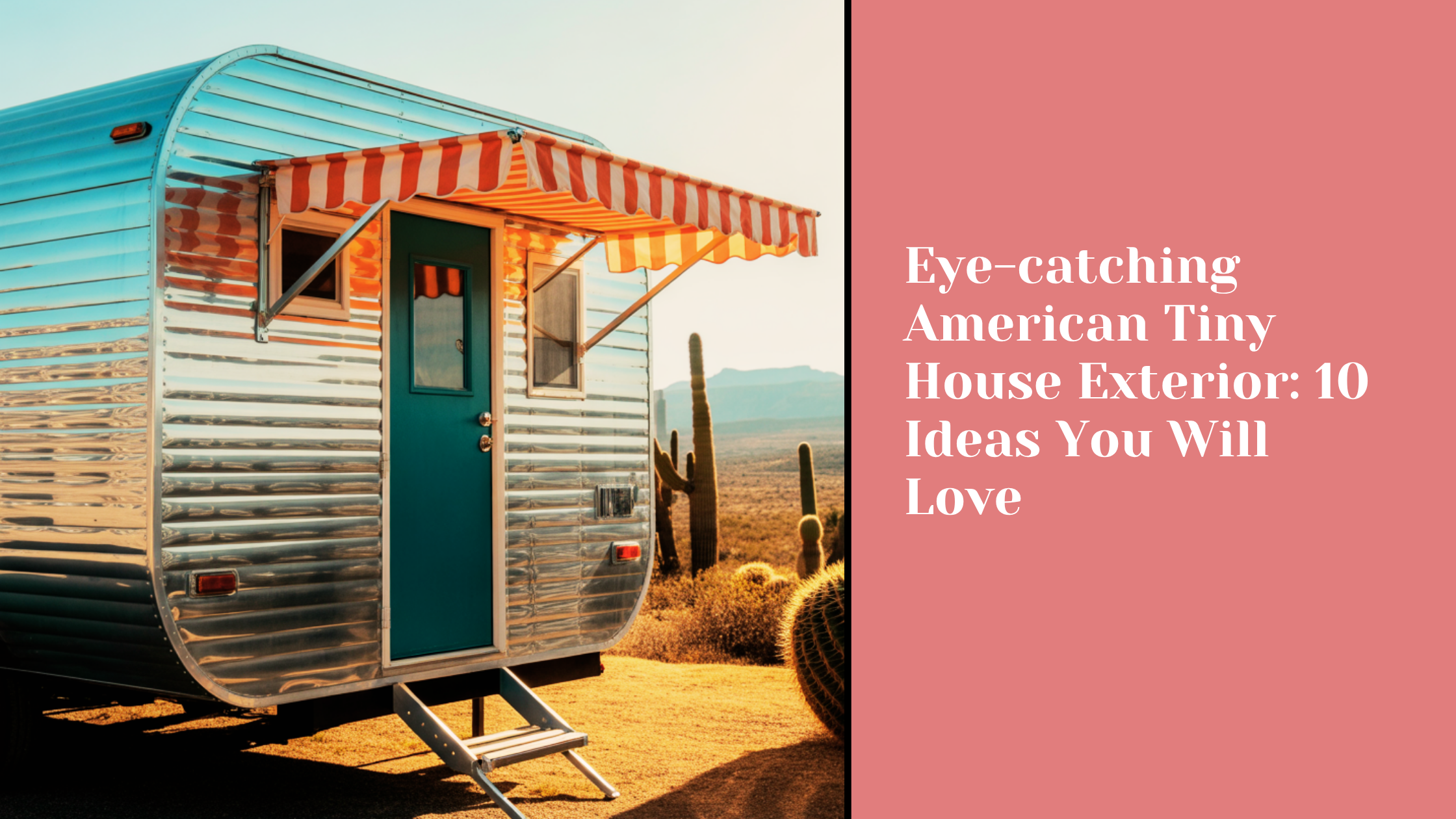
A tiny house stops you in your tracks when the outside makes you look twice. Size may be small, but style does not have to be. In fact, a tiny house exterior often carries more personality than many full-size homes. Every inch counts. Every design choice shows. When the outside looks inviting, you already feel curious before stepping inside.
Across the United States, tiny homes have grown into a creative movement. Builders and owners treat the exterior like a canvas. Wood, metal, color, windows, porches, and landscaping all work together to create something memorable. The result is a small home that feels bold, welcoming, and surprisingly expressive.
In simple terms, a tiny house exterior refers to the outer design elements that shape how the home looks from the outside. This includes siding materials, roof style, windows, doors, color palettes, lighting, and outdoor features such as decks or porches. These elements work together to create visual appeal while also protecting the home from weather and daily wear.
A strong exterior does two things. It attracts attention, and it improves how the home functions. Good materials handle rain, wind, sun, and temperature shifts. Smart design also improves light flow and airflow inside the home. When everything works together, the tiny house feels bigger, brighter, and more inviting.
Let’s explore ten eye-catching American tiny house exterior ideas that you truly need to see. Each one offers inspiration that proves small homes can still make a huge visual impact.
Modern Farmhouse Tiny House Exterior
The modern farmhouse look continues to dominate home design across the United States, and it fits tiny houses beautifully. This style blends classic rural charm with clean modern details.
Picture crisp white siding paired with black window frames. A simple metal roof stretches over the structure, and a small wooden porch welcomes you at the front door. The contrast between white walls and dark trim creates a sharp, clean appearance that stands out without feeling flashy.
A sliding barn-style door often becomes the focal point. Even on a small home, this feature adds character. Add a couple of lantern-style lights beside the entrance, and the exterior instantly feels warm and inviting.
Landscaping helps complete the look. A few planter boxes filled with herbs or flowers add color and life without crowding the space. Gravel pathways also work well because they look natural and require very little maintenance.
This style works because it feels both timeless and fresh. You get the cozy feeling of a country home while still keeping the clean lines of modern design.
Rustic Cabin Tiny House Exterior
The rustic cabin style feels like a natural match for tiny homes. Many of these homes sit near forests, lakes, or mountains, so the exterior often blends into the surrounding landscape.
Wood siding usually defines this design. Cedar, pine, or reclaimed barn wood gives the structure texture and warmth. Over time, natural wood ages beautifully, which means the home often looks even better after a few years.
A steep roof helps snow slide off easily in colder regions. Metal roofing works well here because it lasts a long time and handles tough weather.
Large windows appear often in this style. Builders place them on the side facing the best view. This creates a strong connection between the interior and the outdoors.
From my own personal experience, rustic cabins always feel welcoming the moment you see them. Something about natural wood, simple lines, and a cozy porch makes the home feel relaxed and peaceful before you even open the door.
Add a couple of rocking chairs, and the scene almost invites you to sit down with a cup of coffee and stay a while.
Sleek Contemporary Tiny House Exterior
Contemporary design takes a different path. Instead of traditional charm, this style focuses on clean geometry and bold contrast.
Flat or slightly angled roofs often appear on these homes. Large glass panels replace smaller windows to maximize natural light. Dark exterior colors such as charcoal, deep gray, or matte black create a dramatic look.
Metal siding panels sometimes replace wood. This material gives the house a sleek surface and strong durability. Some builders mix materials to add visual depth. For example, a dark metal exterior might include a section of warm wood paneling near the entrance.
Lighting also plays an important role. Minimal wall lights highlight the architecture at night without overwhelming the design.
The result feels modern and confident. Even though the house remains tiny, the exterior design carries a strong visual presence.
Colorful Cottage Tiny House Exterior
Tiny houses provide the perfect opportunity to experiment with color. A colorful cottage exterior creates instant personality and charm.
Soft blue siding, sunny yellow doors, or sage green trim can turn a small structure into a cheerful focal point. Because the home is compact, bold colors rarely feel overwhelming.
White trim helps frame windows and doors, creating a neat and balanced appearance. Window shutters add another layer of charm.
Flower boxes also work beautifully here. A row of bright flowers beneath each window makes the house look lively and welcoming.
This design often appears in coastal towns or artistic communities where creativity thrives. The home becomes a happy visual surprise along the street or landscape.
A colorful exterior also reflects the owner’s personality. Tiny homes often represent freedom and creativity, so playful colors fit that spirit perfectly.
Industrial Style Tiny House Exterior
Industrial design brings a bold, urban edge to tiny house architecture. This style borrows elements from warehouses and converted loft spaces.
Corrugated metal siding often defines the exterior. The texture adds visual interest while also offering strong durability. Steel framing or exposed hardware sometimes remains visible to emphasize the industrial look.
Dark neutral tones such as graphite, steel gray, or deep brown dominate the color palette. Large rectangular windows help soften the heavy materials by adding light.
A wooden deck can balance the metal surfaces. The warm tones of natural wood contrast nicely with cool metal finishes.
This style feels especially striking in urban environments or modern tiny house communities. The exterior communicates strength, simplicity, and a bit of bold attitude.
Scandinavian Inspired Tiny House Exterior
Scandinavian design focuses on simplicity, light, and natural materials. This approach works beautifully for tiny homes because it avoids unnecessary clutter.
Light wood siding or pale neutral paint colors often define the exterior. Soft gray, white, or muted beige helps the structure blend with nature.
Large windows play a major role. They bring daylight deep into the interior, which helps the home feel more open.
A simple gabled roof keeps the silhouette clean and balanced. Black trim sometimes frames the windows to create subtle contrast.
Outdoor lighting remains soft and minimal. Small wall lamps near the entrance provide gentle illumination without overpowering the calm design.
The overall look feels peaceful and balanced. The house appears calm rather than flashy, yet still manages to attract attention with its quiet elegance.
Tiny House with Wraparound Deck
Sometimes the most eye-catching feature of a tiny house does not sit on the walls. Instead, it surrounds the entire home.
A wraparound deck expands the living space outward. Even though the interior remains compact, the outdoor area gives you room to relax, entertain, or simply enjoy the fresh air.
Wood decking works well for this design. Builders often keep the railing simple to maintain an open feel.
The deck also frames the house visually. When you approach the home, the wide platform creates a welcoming stage that makes the structure appear larger.
Outdoor furniture adds personality. A small table, two chairs, and a few potted plants turn the deck into a comfortable extension of the home.
At sunset, string lights around the railing create a cozy atmosphere that transforms the entire exterior.
Glass Wall Tiny House Exterior
GSome tiny homes use glass to create a dramatic connection with the surrounding environment. One wall may feature floor-to-ceiling windows or sliding glass panels.
This design works especially well in scenic locations. Forest views, lakes, mountains, or desert landscapes become part of the home’s visual experience.
From the outside, the glass wall reflects the environment during the day. At night, interior lighting glows outward, turning the house into a warm lantern in the landscape.
Because glass dominates one side, the rest of the exterior often remains simple. Wood or metal siding balances the transparency.
The effect feels striking yet elegant. The home invites nature inside while still protecting the interior space.
Vintage Trailer Inspired Tiny House Exterior
Some tiny houses draw inspiration from classic American travel trailers. This design celebrates nostalgia and adventure.
Rounded edges and aluminum siding create a retro appearance. Polished metal surfaces reflect sunlight and add visual sparkle.
Bright accent colors often appear on doors or trim. Turquoise, red, or mint green can bring playful energy to the design.
Small awnings above windows add both shade and style. These details echo the look of vintage camping trailers from past decades.
This exterior style captures a spirit of travel and freedom. The house looks ready to hitch up and head down the highway, even if it stays parked in one cozy spot.
Nature-Integrated Tiny House Exterior
Some of the most stunning tiny houses disappear into their surroundings. Instead of standing out, the design blends with nature.
Natural wood, stone accents, and green roofs help achieve this effect. A green roof grows grasses or small plants that soften the structure’s appearance.
Earth-tone paint colors such as moss green, sand, or warm brown allow the house to blend with forests or fields.
Large windows face scenic views while smaller windows protect privacy on other sides.
Outdoor paths made from stone or gravel connect the home with the surrounding landscape. Native plants reduce maintenance and support local wildlife.
This approach creates harmony between the house and the environment. The structure feels like it belongs to the land rather than sitting on top of it.
Why Tiny House Exteriors Capture So Much Attention
Tiny houses attract attention for many reasons, but the exterior often provides the first spark of interest.
A small home invites creativity. Designers cannot rely on sheer size to impress, so they focus on smart details and visual impact.
Color, materials, lighting, and shape all carry extra importance. Even a small porch or window placement can transform the entire appearance.
Another reason tiny house exteriors feel so appealing is their sense of personality. Each design tells a story about the owner’s taste, lifestyle, and priorities.
Some homes express calm simplicity. Others show bold modern style or playful charm. The result feels personal and memorable.
What Makes an Exterior Truly Eye-Catching
An eye-catching exterior does not always mean bright colors or dramatic shapes. Often, the magic comes from thoughtful balance.
Contrast creates visual interest. Dark trim against light siding instantly draws attention. Natural wood beside metal surfaces adds texture.
Proportion also matters. Windows, doors, and rooflines must fit the scale of the house. When these elements align properly, the structure feels balanced and comfortable to the eye.
Lighting also plays a quiet but important role. Warm outdoor lights highlight architectural details after sunset and make the home feel welcoming.
Finally, landscaping ties everything together. Even a tiny patch of greenery can frame the house beautifully.
Why Tiny House Design Continues to Grow in America
The tiny house movement has expanded rapidly across the United States during the past decade. Many homeowners appreciate the freedom that comes with living in a smaller space.
Lower building costs attract first-time homeowners. Simpler maintenance also appeals to those who prefer a less complicated lifestyle.
Tiny homes also encourage thoughtful design. When space remains limited, every element must serve a purpose. That challenge often leads to creative and beautiful solutions.
Exterior design plays a large role in this movement. Owners want their homes to feel unique and inspiring, even within a small footprint.
Final Thoughts on Eye-Catching Tiny House Exteriors
A tiny house exterior proves that size never limits creativity. With the right materials, colors, and architectural choices, even a small structure can create a strong visual impact.
From rustic cabins to sleek modern builds, each design approach offers something special. Some homes blend quietly with nature, while others stand out with bold style.
The key lies in thoughtful design. When siding, windows, roofing, lighting, and outdoor space work together, the home feels complete and welcoming.
If you ever find yourself exploring a tiny house community or browsing design ideas online, pay close attention to the exteriors. These small homes often deliver some of the most imaginative architecture you will see.
And once you start noticing them, you may realize something surprising. Tiny houses may be small in square footage, but their exterior design ideas often feel bigger, braver, and far more memorable than many traditional homes.