admin1.9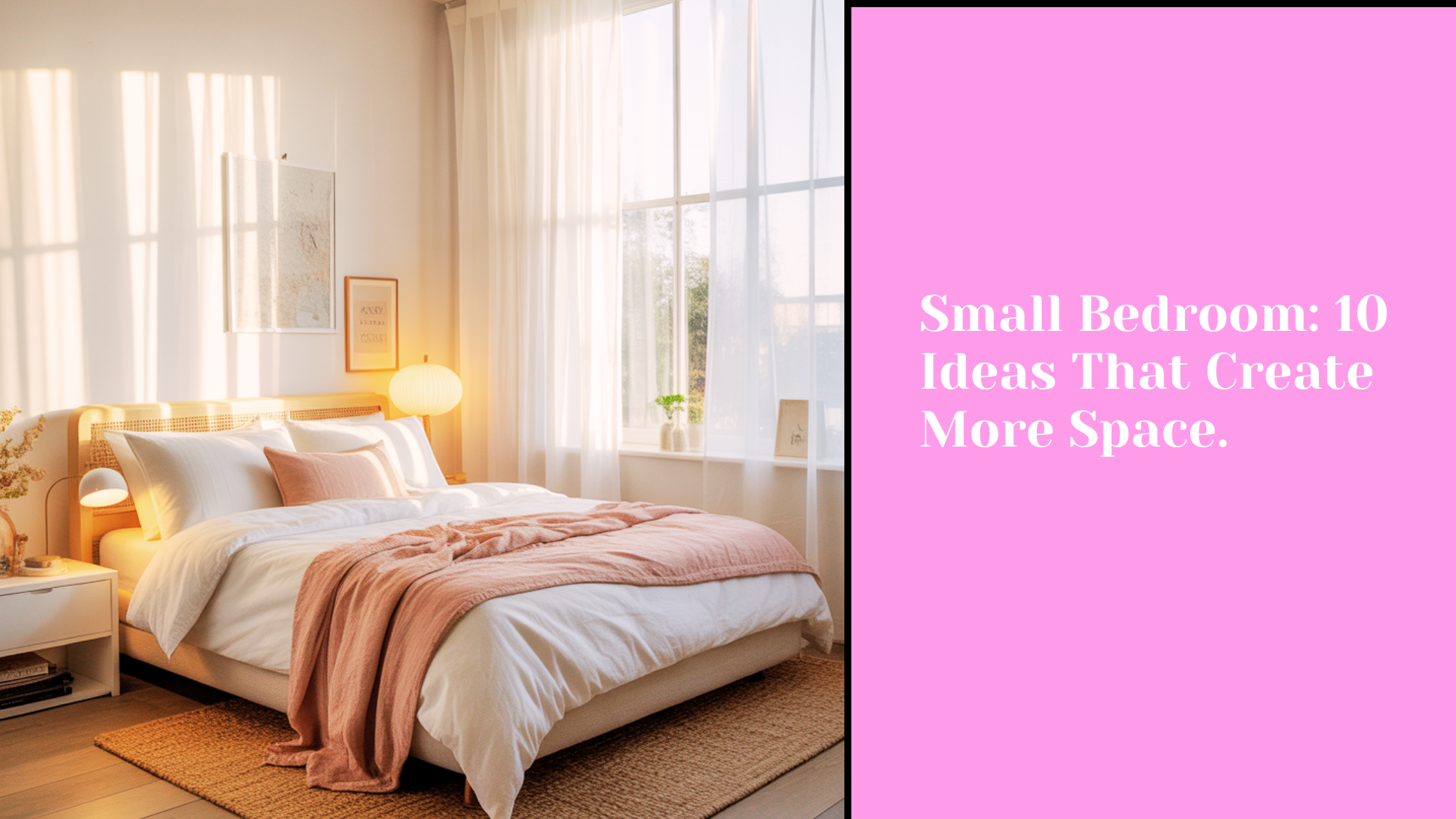
A small bedroom can feel limiting at first glance. The walls seem closer, the floor disappears under furniture, and suddenly even a pair of shoes looks like it needs its own parking permit. But a compact bedroom does not mean you must sacrifice comfort or style. In fact, small spaces often push you to become more creative. When every inch matters, you start to notice clever tricks that make a room feel brighter, lighter, and far more spacious than its size suggests.
The secret is not about cramming less into the room. The real goal is to make the space work smarter. Layout choices, furniture selection, lighting, and storage solutions all play a role. A well-planned small bedroom can feel calm, organized, and surprisingly open.
If you have ever walked into a tiny room and thought, “How can anyone live in here without losing their mind,” you are not alone. Many bedrooms in apartments, small homes, and even older houses fall into this category. The good news is that there are simple, creative ideas that transform a tight bedroom into a comfortable retreat.
Let’s explore ten smart ideas that create more space in a small bedroom. These are practical changes you can try right away, and they will help your bedroom feel larger, more organized, and far more enjoyable to spend time in.
What a Small Bedroom Really Means
Before diving into design ideas, it helps to understand what a small bedroom actually means. In most homes, a bedroom feels small when it cannot easily fit a bed, storage, and walking space without feeling crowded.
The issue is rarely the size alone. The real challenge comes from how the space is used. Large furniture, poor layout, or unnecessary clutter can quickly make a room feel smaller than it truly is.
A small bedroom usually has limited floor space and minimal storage. That means every item in the room must serve a clear purpose. When you focus on functionality and smart layout choices, even a tiny room can feel comfortable and welcoming.
Think of a small bedroom like a studio apartment in miniature form. It needs to support sleep, storage, and relaxation without becoming chaotic.
Idea 1: Use Vertical Space Like a Pro
When floor space is limited, the walls become your best friend.
Most bedrooms waste a surprising amount of vertical space. Empty walls often stretch all the way to the ceiling while storage struggles to find a place on the floor. The simple solution is to move storage upward.
Tall shelving units can store books, décor, or folded clothing. Wall-mounted cabinets can replace bulky dressers. Floating shelves above the bed or desk can hold everyday items without taking up valuable floor space.
This approach immediately opens up the room because the floor becomes less crowded.
Based on my overall experience, using vertical storage is one of the quickest ways to make a small bedroom feel larger. When items move upward, the room suddenly feels lighter and easier to walk through.
Another bonus is visual balance. Tall shelves draw the eye upward, which makes the ceiling appear higher.
Idea 2: Choose a Bed With Built-In Storage
In a small bedroom, the bed takes up the largest portion of space. That means it should work harder than simply being a place to sleep.
Beds with built-in drawers or lift-up storage create valuable hidden space. You can store extra bedding, seasonal clothing, or even shoes underneath.
This eliminates the need for bulky dressers or storage boxes that often clutter the room.
Platform beds with drawers are especially helpful because they blend storage with style. Instead of looking like a storage unit, they appear clean and modern.
Think of the bed as your bedroom’s main storage hub. When it works efficiently, the rest of the room becomes easier to organize.
Idea 3: Use Light Colors to Open the Room
Color has a powerful effect on how a room feels.
Light shades reflect more light, which makes a space appear larger and brighter. Dark colors absorb light and can make a room feel smaller when used heavily.
Soft whites, pale grays, warm creams, and gentle pastels work beautifully in small bedrooms. These colors create an airy feeling and help walls visually recede.
That does not mean your room must look like a blank canvas. You can still add personality through bedding, artwork, or small décor pieces.
The key is balance. When the main surfaces stay light and neutral, the room feels calm and open.
Idea 4: Mirrors That Create Instant Depth
Mirrors are one of the oldest tricks in interior design, and for good reason. They reflect light and create the illusion of extra space.
A large mirror placed opposite a window can double the amount of natural light in the room. This simple trick immediately brightens the space.
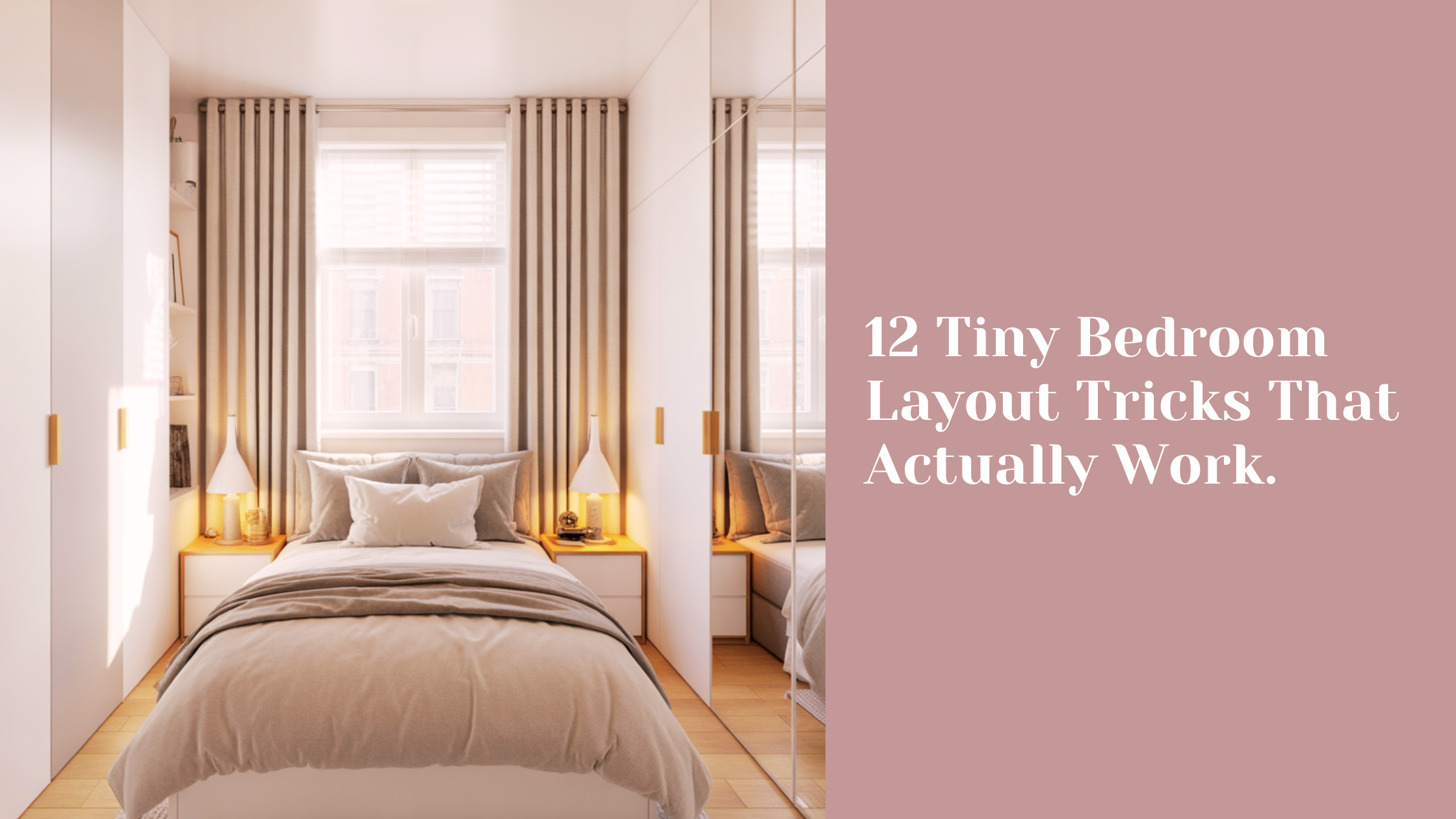
Mirrored closet doors also work well in small bedrooms. They provide function while visually expanding the room.
Even a tall floor mirror leaning against the wall can make the room feel deeper.
Just be careful not to create a mirror maze. One or two well-placed mirrors are enough.
Idea 5: Multi-Functional Furniture That Works Harder
In a compact room, furniture should never serve only one purpose if it can serve two.
A bedside table with drawers offers storage and a place for lighting. A bench at the end of the bed can provide seating and hidden storage. A small desk can double as a vanity.
These multi-functional pieces reduce the need for additional furniture.
The result is a room that feels simpler and less crowded.
When you shop for bedroom furniture, ask one question: does this piece solve more than one problem?
If the answer is yes, it probably deserves a spot in your room.
Idea 6: Floating Furniture That Frees the Floor
Furniture that floats off the floor creates a sense of openness.
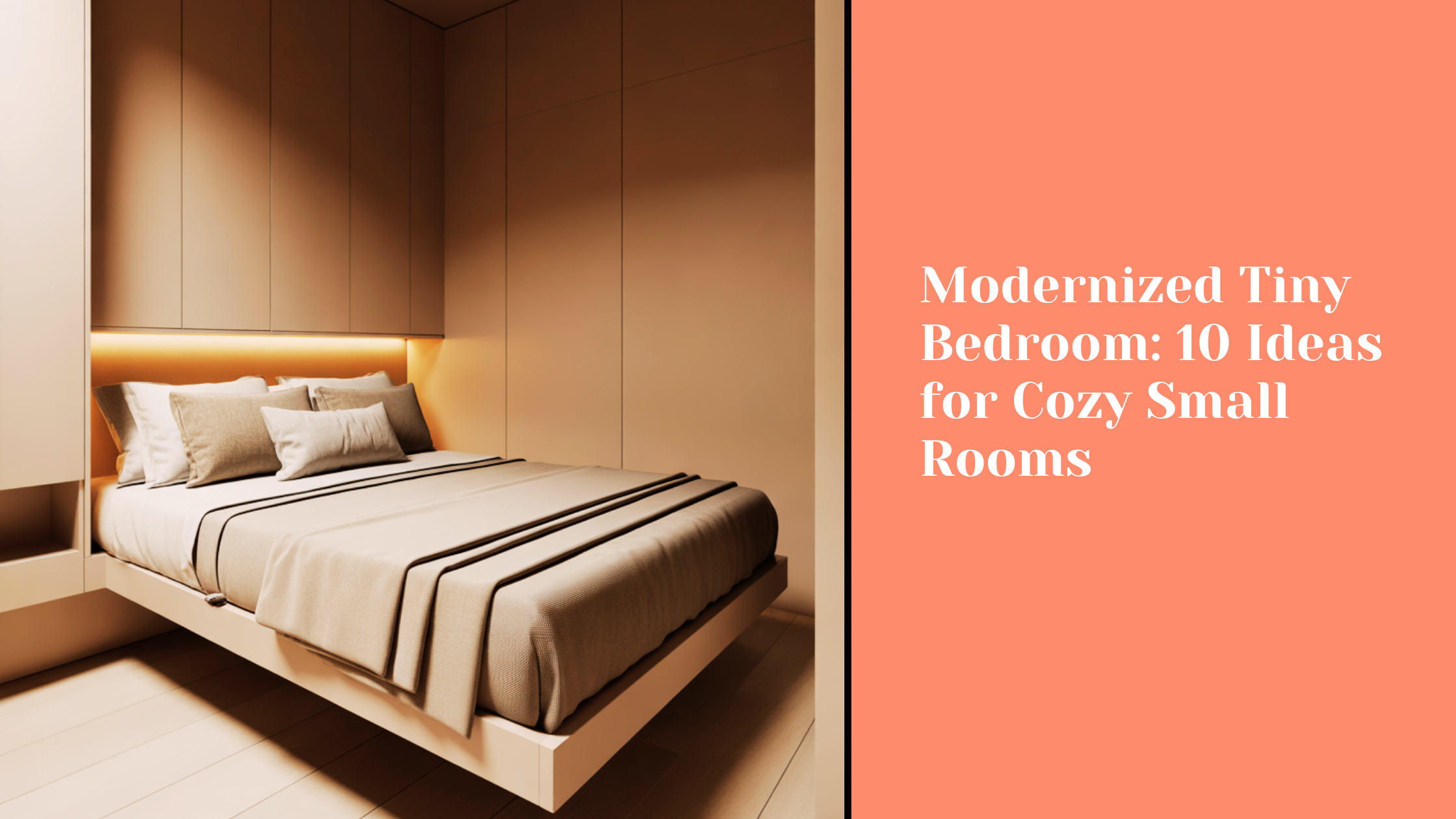
Wall-mounted nightstands, floating desks, and hanging shelves allow you to keep the floor clear. This small change makes the room feel less cramped.
Another advantage is easier cleaning. When furniture sits above the floor, vacuuming becomes much simpler.
Floating furniture also gives the room a modern look.
The visual trick works because the eye can see more floor space, which makes the room appear larger.
Idea 7: Smart Closet Organization
Closets in small bedrooms often become chaotic storage zones. Clothing piles up, shoes disappear, and suddenly the closet feels like a mystery box.
A well-organized closet can actually free up a large portion of the bedroom.
Start by using slim hangers to maximize hanging space. Add small shelves or organizers for accessories. Use storage bins for seasonal clothing.
Over-the-door organizers are another helpful tool. They create storage for shoes, scarves, or small items without taking extra room.
When the closet works efficiently, you need fewer storage items in the bedroom itself.
Idea 8: Strategic Lighting That Expands the Room
Lighting affects how spacious a room feels.
A single ceiling light often creates shadows that make the room feel smaller. Layered lighting works much better.
Wall sconces can replace bulky bedside lamps. LED strip lighting under shelves adds brightness without taking space. Small table lamps provide warm light for reading.
Natural light also plays a major role. Keep window treatments light and simple so sunlight can fill the room.
The brighter the space feels, the larger it appears.
Idea 9: Declutter Like Your Sanity Depends on It
Clutter is the fastest way to make a small bedroom feel tiny.
Every item in the room competes for space and attention. When too many things gather in one place, the room quickly feels overwhelming.
A good rule is to keep only what you use regularly or truly enjoy.
If something does not serve a purpose, it probably does not belong in the room.
Storage boxes, baskets, and organizers help maintain order. The goal is not to remove personality but to remove unnecessary distractions.
A tidy bedroom instantly feels more spacious and relaxing.
Idea 10: Keep the Layout Simple and Open
Sometimes the best solution is simply rearranging the room.
Furniture placed in awkward positions can block movement and create visual clutter. A simple layout often works best.
Try placing the bed against the longest wall. Keep walking paths clear. Avoid placing too many items in the center of the room.
If possible, leave a small gap around major furniture pieces so the room feels breathable.
You might be surprised how much larger a bedroom feels after a simple rearrangement.
Why Small Bedrooms Can Actually Feel Better
A small bedroom has an unexpected advantage. It encourages simplicity.
Large rooms often collect unnecessary furniture and décor. Small rooms force you to focus on what truly matters.
The result is often a more peaceful environment.
When everything has a place and the room feels organized, it becomes easier to relax and sleep well.
Many interior designers even prefer working with smaller spaces because the challenge sparks creative solutions.
Final Thoughts
A small bedroom does not have to feel cramped or frustrating. With the right ideas, it can become one of the most comfortable rooms in your home.
The key is thoughtful design. Vertical storage, smart furniture choices, light colors, mirrors, and organized layouts all help create the feeling of extra space.
Even simple adjustments can make a noticeable difference.
When you approach the room with creativity and practicality, the size stops being a problem. Instead, it becomes an opportunity to design a space that feels calm, functional, and surprisingly spacious.
Once you start applying these ideas, you may discover something unexpected. Your small bedroom might end up feeling more inviting than larger rooms in the house.
And that is a design win worth celebrating.