admin1.9
A tiny bathroom can feel like a daily puzzle. You walk in, turn around, and suddenly your elbow hits the wall, the door bumps the sink, and the towel rack somehow feels like it is judging you. Small bathrooms can look cramped if the design fails, but the right choices can change everything. With smart layout ideas, clever storage, and a bit of visual trickery, a small bathroom can feel bright, calm, and surprisingly spacious.
The secret sits in how you use space, light, and materials. Designers often treat a small bathroom like a strategic game. Every inch matters. Every fixture has a role. Even the direction of a tile pattern can influence how large the room feels.
Based on my overall experience with small-space design ideas, the bathrooms that feel the biggest are rarely the largest. They simply use smarter design choices. A compact bathroom can feel fresh, stylish, and comfortable when each detail works together.
Let’s explore twelve tiny bathroom designs that look far more spacious than their square footage suggests. Each one offers a clever idea you can borrow for your own home.
Floating Vanity Bathroom That Opens the Floor
A floating vanity creates one of the easiest visual tricks for a tiny bathroom. Instead of a cabinet that sits on the floor, the vanity mounts to the wall. The space beneath it remains open, and that small change makes the entire room feel lighter.
When the floor remains visible from wall to wall, your eyes read the room as larger. Designers love this approach because it adds both style and function.
A floating vanity also creates room for baskets, small stools, or a slim storage box underneath. Towels, toilet paper, or cleaning supplies can sit there without making the room feel crowded.
Choose a simple sink design with a thin countertop. White, light wood, or soft stone colors work well. Add a round mirror above the vanity to soften the look and keep the design balanced.
Lighting also plays a role here. A wall sconce or two placed beside the mirror can brighten the space without taking up counter room.
The overall result feels modern, clean, and airy.
Glass Shower Bathroom That Removes Visual Barriers
Shower curtains can shrink a small bathroom faster than almost anything else. They block sightlines and divide the room into smaller visual sections.
A glass shower panel removes that barrier. Your eyes can move across the entire bathroom without interruption, which instantly makes the room feel larger.
A frameless glass panel works best. The minimal hardware keeps the look simple and clean.
Tile choice also matters here. When the same tile runs from the bathroom floor into the shower floor, the room appears continuous. That continuity creates the illusion of extra space.
Many tiny bathrooms now use walk-in shower designs with a single glass panel and no door. The design feels open and modern.
Add a built-in wall niche for shampoo and soap so bottles stay organized without cluttering the floor.
The result looks simple but makes a powerful difference.
Mirror Wall Bathroom That Doubles the Space
Mirrors are famous for making rooms feel larger, and bathrooms benefit from them more than most spaces.
A large mirror that stretches across the vanity wall reflects light and depth. It can make a small bathroom appear twice as wide.
Some designs take this idea further with a full mirror wall. The reflection creates a sense of endless space.
You do not need a complicated frame here. A simple mirror edge often works best because it blends into the wall.
Lighting placed above or beside the mirror increases the effect. Light bounces across the surface and spreads through the room.
This design works especially well in bathrooms that have limited natural light.
Just remember one simple rule. Keep the countertop clean. A mirror reflects everything, including clutter.
Vertical Storage Bathroom That Uses Wall Height
Tiny bathrooms rarely lack floor space alone. They also ignore the vertical wall space above eye level.
Tall shelving solves this problem beautifully.
Install narrow shelves above the toilet or along a blank wall. Use them for folded towels, small plants, or decorative jars that hold cotton pads and toiletries.
This type of storage draws the eye upward. When your gaze moves higher, the room feels taller.
A ladder-style shelf works well in tight corners. Wall-mounted cabinets also help if you prefer hidden storage.
The key is to keep the shelves slim and organized. Too many bulky items will make the space feel crowded again.
A few neatly folded towels, a candle, and a small basket can look both functional and stylish.
Light Color Bathroom That Expands the Room
Color strongly affects how large a room appears.
Light tones reflect more light, which makes a bathroom feel open and airy. White, soft gray, pale beige, or light pastel shades often work best.
Walls, tiles, and cabinets in similar light colors create a calm visual flow.
That does not mean the bathroom must look boring. Texture adds interest without shrinking the room. Marble patterns, soft veining, or subtle tile designs bring character while maintaining brightness.
A few darker accents can ground the space. A black faucet or dark towel hook adds contrast without overwhelming the room.
Lighting should support the color palette. Warm white lighting tends to make light colors feel soft and inviting.
The result feels clean and relaxing.
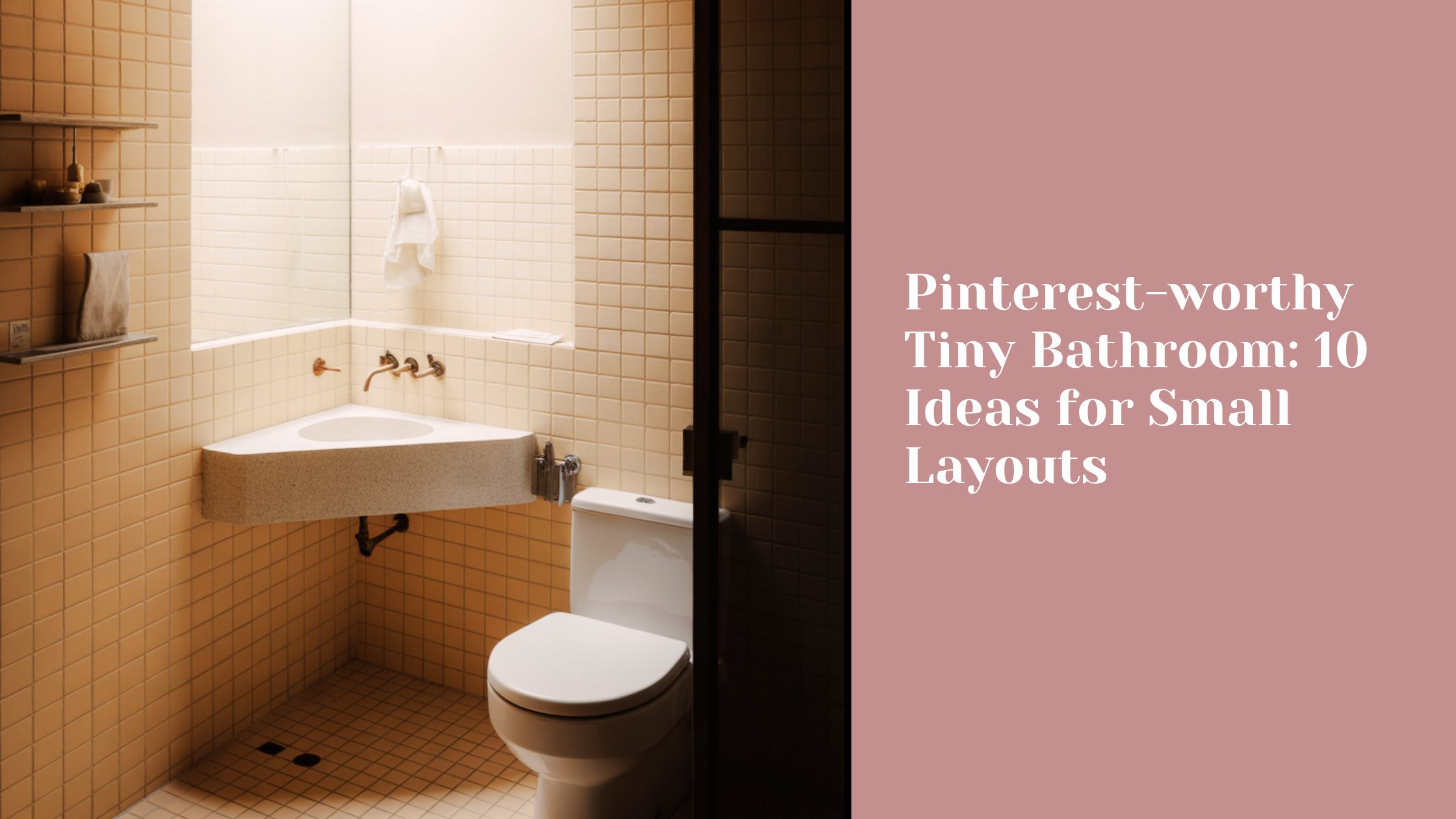
Corner Sink Bathroom That Frees Up Movement
A standard sink often sits in the center of a bathroom wall, which can block movement in a tiny room.
A corner sink solves this problem with a clever layout shift.
Placing the sink in the corner frees up more floor space in the middle of the room. The layout instantly feels less cramped.
Corner sinks come in many styles now. Some include a small triangular vanity for storage. Others keep a minimalist wall-mounted design.
Pair the sink with a slim mirror above it and a small shelf for essentials.
This approach works particularly well in bathrooms where the door swings inward. Moving the sink out of the traffic path prevents awkward collisions with the door.
It may sound like a small change, but it can transform how the bathroom feels.
Pocket Door Bathroom That Saves Space
Traditional bathroom doors need clearance to swing open. In a tiny bathroom, that door arc can steal valuable floor space.
A pocket door slides into the wall instead of swinging outward or inward. This design instantly frees up several square feet.
With that extra space, you can add a larger vanity, a better storage unit, or simply enjoy easier movement.
Pocket doors also create a clean, modern appearance. The smooth sliding motion feels satisfying in daily use.
If installing a pocket door inside the wall is not possible, a sliding barn-style door mounted outside the wall can offer a similar benefit.
The change feels subtle but makes a real difference in tight spaces.
Large Tile Bathroom That Reduces Visual Clutter
It may seem logical to use tiny tiles in a tiny bathroom. Surprisingly, the opposite often works better.
Large tiles reduce the number of grout lines across the walls and floor. Fewer lines create a smoother visual surface.
Your eyes read that continuous surface as a larger area.
Rectangular tiles placed horizontally can also make the room feel wider. Vertical placement can make the ceiling appear taller.
Choose neutral tones or soft stone patterns for a calm look.
Grout color should match the tile as closely as possible. Strong contrast grout can highlight the grid pattern and make the space feel busy.
Large tiles simplify the design and bring a polished appearance.
Minimalist Bathroom That Removes Visual Noise
Small spaces benefit greatly from simplicity.
A minimalist bathroom design focuses on the essentials and removes unnecessary decoration.
Choose sleek fixtures, simple hardware, and clean surfaces. Avoid bulky storage containers or crowded counters.
Hidden storage helps maintain this clean look. Drawers inside a vanity can hold everyday items while keeping them out of sight.
Even towel hooks instead of towel bars can reduce visual clutter.
Plants can still appear in the space, but choose one or two small varieties instead of filling every corner.
The room begins to feel calm and organized, which naturally makes it appear larger.
Skylight Bathroom That Adds Natural Light
Natural light can transform a small bathroom more dramatically than almost any design trick.
A skylight introduces sunlight from above without sacrificing wall space.
The light spreads evenly through the room and highlights surfaces in a soft, natural way.
Small bathrooms often lack windows because of their location within a home. A skylight solves that problem.
Even a small skylight can brighten the entire space during the day.
Pair this feature with light-colored walls and reflective surfaces such as mirrors or glossy tiles.
The bathroom suddenly feels fresh, open, and welcoming.
Open Shelf Vanity Bathroom That Feels Airy
Traditional cabinets hide storage but can feel bulky in a tiny room.
An open shelf vanity offers a lighter alternative.
Instead of closed doors, the vanity includes open shelves beneath the sink. Towels and baskets sit neatly on the shelves, creating a relaxed and accessible design.
Because the structure looks lighter, the bathroom feels less crowded.
This style works well in modern or Scandinavian-inspired spaces.
Use matching baskets to keep items organized. Consistent colors help maintain a tidy appearance.
Add a small plant or decorative soap bottle on the countertop for personality.
The balance between storage and openness keeps the bathroom functional and stylish.
Continuous Floor Bathroom That Blurs Boundaries
One of the most effective design tricks involves extending the same flooring throughout the bathroom and into the shower area.
When the floor pattern flows without interruption, the space feels unified.
A curbless shower design enhances this effect. Instead of stepping over a raised edge, the shower floor slopes gently toward the drain.
The result looks seamless.
This approach also improves accessibility and cleaning.
Large-format tiles or stone patterns work well here because they emphasize the continuous surface.
The bathroom begins to feel more like a spa retreat than a cramped corner.
Why Tiny Bathrooms Can Feel Surprisingly Luxurious
Small bathrooms often receive less attention during home design, yet they offer some of the most creative opportunities.
Because the space is compact, you can experiment with interesting tile, lighting, or fixtures without overwhelming the room.
A high-quality faucet, elegant mirror, or beautiful tile wall can become a focal point.
Tiny bathrooms also encourage organization. With limited storage, every item must have a place.
The result often feels more peaceful than a large, cluttered bathroom.
And here is the funny part. Many guests walk into a well-designed tiny bathroom and say the same thing.
“This room feels bigger than I expected.”
That reaction proves how powerful thoughtful design can be.
Final Thoughts on Tiny Bathroom Design
A tiny bathroom does not need to feel cramped or uncomfortable. With the right design choices, it can feel open, stylish, and even luxurious.
Floating vanities open the floor. Glass showers remove barriers. Mirrors multiply light. Vertical storage uses forgotten wall space. Light colors brighten the room. Smart layouts improve movement.
Each idea plays a small role, but together they transform the entire space.
The next time you step into a compact bathroom, take a moment to notice how it feels. Look at the lighting, the tile layout, the mirror placement, and the storage choices.
Those details quietly shape the experience of the room.
And once you see the tricks behind these designs, you may never look at a tiny bathroom the same way again.