admin1.9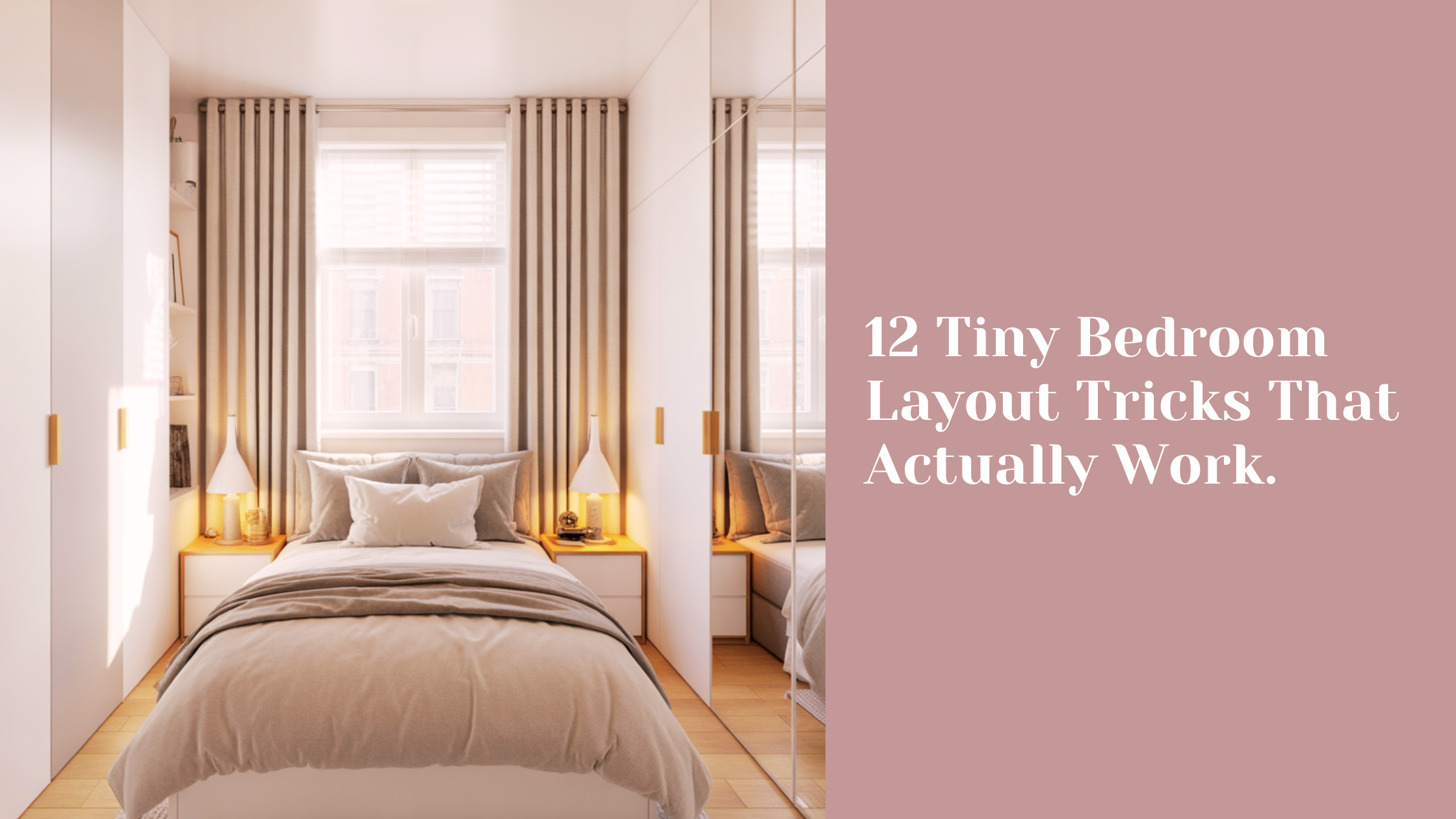
Living in a small bedroom can feel like a never-ending battle between style, comfort, and functionality. You want a cozy, inviting space, but there never seems to be enough room for everything. From my own personal experience, small bedrooms don’t have to feel cramped or claustrophobic—they just require smart planning and clever layout tricks. These tricks aren’t just for Pinterest-perfect spaces; they are real, practical strategies you can use today to transform your tiny bedroom into a space you’ll truly love to explore every morning.
Make Your Bed the Star of the Room
In a tiny bedroom, your bed isn’t just furniture—it’s the centerpiece. Choosing the right size is crucial. A queen or full bed often works best in small spaces; a king can overwhelm the room and make movement a challenge. But it’s not just about size. Think vertically. A bed with storage drawers underneath can be a game-changer. You can stash clothes, linens, or even shoes without sacrificing floor space. If drawers aren’t your style, consider a lofted bed or a bed with a platform that allows for baskets or boxes underneath. You’ll get extra storage without cluttering your bedroom floor.
Embrace Multipurpose Furniture
Every inch of a small bedroom counts. Furniture that serves more than one purpose is your secret weapon. A desk that doubles as a vanity, a storage bench at the foot of the bed, or floating shelves that act as nightstands—these are all small tweaks that make your room feel larger while keeping it functional. Based on my overall experience, combining furniture functions not only saves space but also keeps your room visually clean, which is key in small bedrooms.
Go Vertical with Storage
Walls are underused in tiny bedrooms, but they can hold your world if you plan smartly. Install shelves above your bed or near your closet. Tall bookcases draw the eye upward, creating an illusion of height. Hanging baskets or wall-mounted organizers can store everything from scarves to notebooks. The goal is to free up floor space while keeping items accessible. The less stuff on the floor, the more open and airy your room will feel.
Keep the Color Palette Light
Color isn’t just decoration—it changes the perception of space. Light colors like soft blues, pale grays, or creamy whites can make your room feel larger and more open. Dark colors can work, too, but they require careful balancing. If you love bold shades, use them on one wall or in accessories rather than painting the whole room dark. Mirrors are another trick; placing a mirror opposite a window can double the natural light and visually expand your room.
Think About Flow and Movement
A tiny bedroom should be easy to move through, and the placement of furniture makes all the difference. Don’t block doors, windows, or pathways with large furniture. Even moving your bed a few inches can improve circulation and create the feeling of more space. When arranging your room, imagine walking through it blindfolded. If you bump into things constantly, it’s time to rethink the layout.
Use Smart Lighting
Lighting in a small bedroom is more than functional—it creates mood and depth. Overhead lights can make a space feel flat, so layer lighting using table lamps, wall sconces, or string lights. A small lamp on a floating shelf can double as a nightlight and reading light. Natural light is your friend too. Keep window treatments minimal so sunlight can flood the room. A well-lit room instantly feels larger and more inviting.
Opt for Minimalism Without Sacrifice
Minimalism isn’t about living without; it’s about living smart. Avoid filling your room with furniture or decor “just because.” Instead, choose items that matter or bring you joy. Keep surfaces clear and focus on what you actually use daily. From my own personal experience, once I reduced unnecessary furniture in my small bedroom, it instantly felt calmer, more functional, and surprisingly spacious.
Mirrors Are More Than Decoration
Mirrors don’t just reflect—they expand. A large mirror on one wall creates a sense of depth that tricks the eye into perceiving more space. Even a series of small mirrors strategically placed can open up a room visually. If floor space is limited, consider mirrored closet doors—they do double duty by reflecting light and giving the illusion of a bigger room.
Play with Patterns and Textures
Small bedrooms don’t have to be boring. Patterns and textures add interest and personality. Stripes, for instance, can make a room feel taller or longer depending on direction. Textured fabrics on bedding, cushions, or rugs add warmth without taking up extra space. Keep patterns moderate; too much can make a room feel busy and cluttered. The key is balance—interest without overwhelming.
Maximize Closet Efficiency
Closets in small bedrooms often become a black hole of disorganization. Maximize vertical space with hanging organizers, double rods, or stackable bins. Store seasonal items out of reach if possible. Door hooks or hanging racks are also lifesavers for bags, scarves, or belts. When your closet works efficiently, your bedroom automatically feels cleaner and larger.
Keep the Floor Clear
One of the biggest mistakes in tiny bedrooms is cluttered floors. The more visible floor space you have, the bigger your room feels. Use under-bed storage, wall-mounted shelves, or tall dressers to lift items off the ground. Rugs can define areas without taking up space, but avoid layering too many items on the floor—it defeats the purpose.
Personalize Without Overcrowding
A tiny bedroom can still feel personal and cozy. Use photos, artwork, or small decorative pieces that make you happy. The trick is to keep it curated. A few well-chosen items on walls or shelves are better than crowding every surface. Plants also add life without taking much space. A small potted plant on a shelf or windowsill can make the room feel fresh and lively.
Transforming a tiny bedroom doesn’t require magic—it requires strategy, creativity, and careful choices. By focusing on multifunctional furniture, smart storage, light color palettes, and intentional decor, you can make even the smallest room feel open, welcoming, and stylish. These 12 tiny bedroom layout tricks aren’t just theoretical—they actually work, and from my own personal experience, implementing even a few of them can dramatically improve the comfort and flow of your space.
Small bedrooms are not limitations—they’re opportunities to think creatively, prioritize what matters, and create a cozy retreat that’s uniquely yours. With these tricks, your tiny bedroom can become a place you truly love to explore, relax in, and wake up excited to spend time in every day.