admin1.9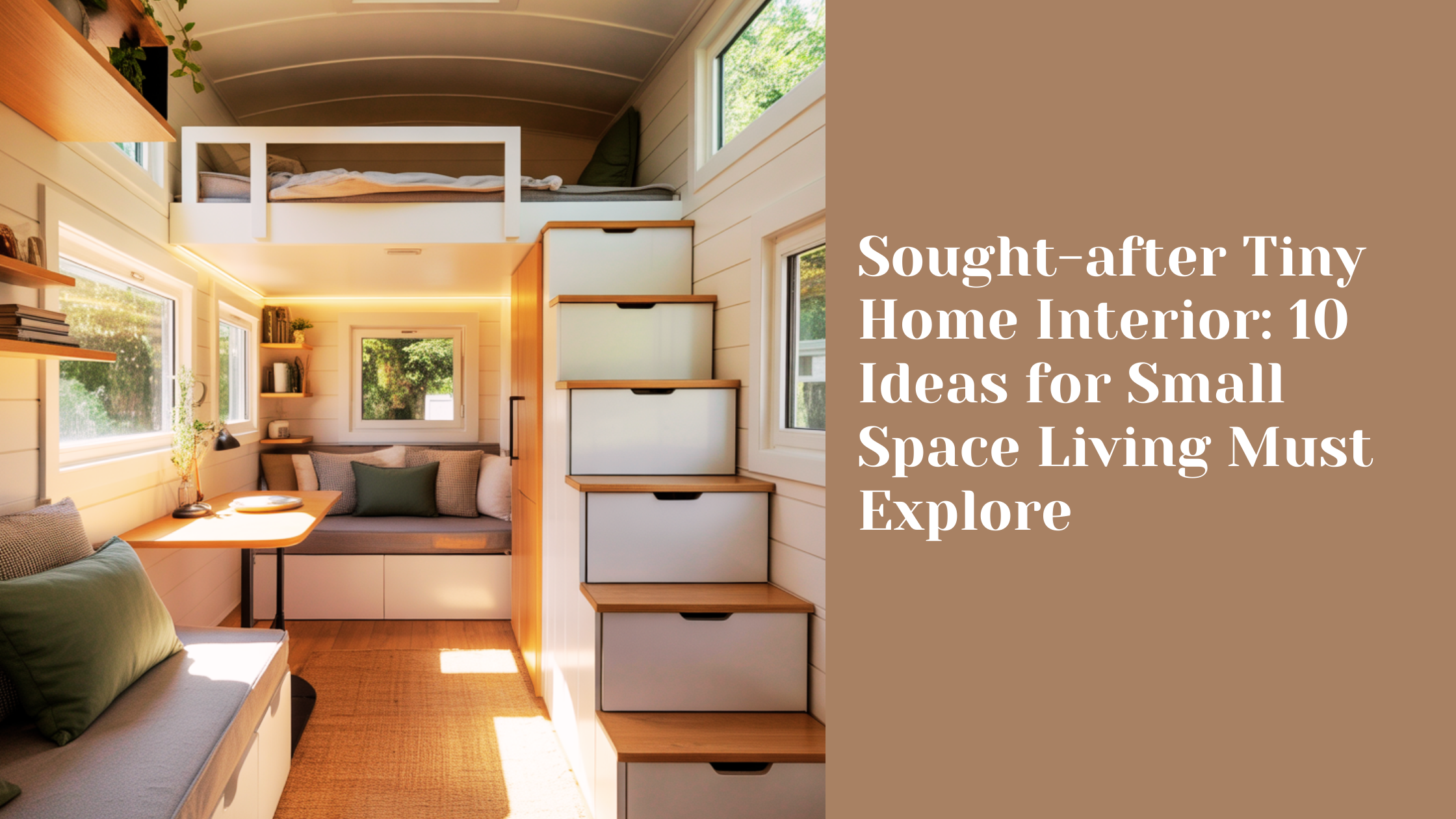
A tiny home can surprise you. The space looks small at first glance, yet the design possibilities feel huge. When you step into a well-designed tiny home, you often notice something interesting. Every corner works harder. Every piece of furniture has a purpose. Every shelf, light, and window helps the space feel open and welcoming.
A sought-after tiny home interior does exactly that. It turns limited square footage into a space that feels comfortable, stylish, and practical. You do not feel cramped. Instead, you feel clever for living in a space that works smarter rather than bigger.
Tiny homes continue to gain attention because they offer freedom, lower costs, and a chance to simplify daily life. But the real magic happens inside. The interior design determines whether a tiny home feels like a cozy retreat or a cluttered storage unit with a bed squeezed in the corner.
If you want inspiration, you are in the right place. These ideas highlight what makes a tiny home interior stand out. Each one explains how thoughtful design choices can turn a small home into a place you truly love to live in.
What a Sought-After Tiny Home Interior Really Means
A sought-after tiny home interior refers to a design style that combines function, beauty, and smart space use. It focuses on comfort while making every inch of space count.
Tiny homes often measure between 100 and 400 square feet. That means design decisions matter more than they would in a large house. A poorly planned shelf or oversized chair can instantly make the space feel crowded.
A well-designed tiny home interior solves this challenge through thoughtful planning. The design uses clever storage, natural light, flexible furniture, and simple color palettes to create a space that feels open and calm.
Instead of filling a room with items you rarely use, a tiny home interior focuses on essentials. Each object earns its place.
This design approach often leads to a home that feels peaceful. Less clutter means fewer distractions. Many tiny homeowners describe their spaces as relaxing and easy to maintain.
Another reason these interiors attract attention is personality. Because the space is small, each detail stands out. A handmade wood shelf, a bold wall color, or a creative staircase instantly becomes a design feature.
The result feels intentional. Nothing appears random.
Why Tiny Home Interiors Attract So Much Attention
Tiny homes appear in magazines, social media feeds, and travel shows for a simple reason. They inspire curiosity. Many viewers look at a tiny home and ask the same question.
How does everything fit?
Designers answer that question with creativity. They build staircases that double as drawers. They design beds that fold into walls. They turn empty corners into storage spaces.
From my own personal experience visiting small apartments and compact homes, the most memorable spaces share one trait. They feel organized without looking boring. The room flows naturally. You move through the space without bumping into furniture.
A sought-after tiny home interior achieves this balance. It feels practical while still looking stylish.
Open Layout Living That Feels Bigger Than It Is
One of the most loved features in tiny homes is the open layout. Walls disappear, and the space becomes more flexible.
Instead of separating the kitchen, living area, and dining space with barriers, designers blend them into one open environment. This layout helps the eye travel across the room without interruption. The result feels larger than the actual square footage.
Large windows often play a key role in this design. Natural light fills the space and connects the interior to the outside world. When sunlight spreads across the room, the home instantly feels more welcoming.
A simple trick many tiny homes use involves aligning furniture along walls. This leaves the center area open for movement. Suddenly, the room feels spacious even though the size remains the same.
Open layouts also encourage social interaction. When you cook, relax, or chat with guests, you remain connected to the entire space. Nothing feels isolated.
The best part is flexibility. You can rearrange furniture easily or change how the room functions throughout the day.
Multifunctional Furniture That Works Overtime
In a tiny home, furniture must earn its keep.
A sofa might transform into a bed at night. A dining table might fold against the wall. A staircase might hide storage compartments.
Multifunctional furniture stands at the center of most sought-after tiny interiors because it solves multiple problems at once.
Imagine a coffee table that lifts to become a work desk. That single piece replaces two separate items. Less furniture means more space.
Murphy beds remain one of the most popular tiny home features. During the day, the bed folds into the wall, revealing a seating area or workspace. At night, the bed lowers for sleep.
Another clever option involves expandable dining tables. These tables stay compact most of the time but extend when guests visit.
The beauty of multifunctional furniture lies in simplicity. You do not feel surrounded by bulky items. Instead, the space adapts to your needs.
And yes, the first time you discover hidden storage inside a staircase, it feels a bit like finding secret treasure.
Vertical Storage That Uses Every Inch
Tiny homes cannot rely on wide storage spaces. Instead, they build upward.
Vertical storage turns empty wall space into useful areas for shelves, cabinets, and hooks. This approach keeps the floor clear while still providing plenty of storage.
Tall bookshelves often stretch from floor to ceiling. Kitchen cabinets reach higher than usual. Even narrow walls become storage opportunities.
Hooks also play an important role. A few hooks near the door can hold coats, bags, or hats. Hooks in the kitchen can hold utensils or mugs.
Floating shelves add another smart solution. They provide storage without making the room feel heavy. You can place plants, books, or decorative items without sacrificing space.
One of the most clever vertical storage ideas involves ladder shelves. These shelves lean against the wall and hold multiple items while taking up very little floor space.
The key idea remains simple. If the floor space is limited, the walls must help.
Light Colors That Expand the Space
Color choices matter in a tiny home. Dark shades can make a small room feel smaller, while light tones help the space feel open.
White remains one of the most common colors in tiny home interiors. It reflects light and creates a fresh look. Soft beige, pale gray, and light wood tones also work well.
These colors help the room feel calm and uncluttered.
Many designers also add subtle contrast through textures rather than bold colors. For example, a white wall may sit next to a light wood shelf or a woven rug.
This combination keeps the room interesting without overwhelming the space.
Accent colors still have a place. A bright cushion, colorful artwork, or patterned throw blanket can bring personality to the room without dominating it.
The goal is balance. The space should feel lively yet peaceful.
Loft Bedrooms That Add Extra Living Space
Loft bedrooms appear in many tiny homes because they create additional space without expanding the house footprint.
A loft sits above the main living area, usually accessible through a ladder or staircase. This elevated platform holds the bed and sometimes small storage shelves.
By moving the sleeping area upward, the main floor becomes available for living, cooking, and dining.
The loft also creates a cozy feeling. The lower ceiling and compact layout often feel like a private retreat.
Some lofts include skylights above the bed. This allows natural light during the day and views of the night sky after dark.
Others include small reading lights or built-in shelves for books.
Climbing into a loft bed might remind you of childhood bunk beds, except this time the design looks far more stylish.
Built-In Seating That Saves Space
Freestanding furniture can quickly crowd a tiny home. Built-in seating solves this issue.
A bench attached to the wall can serve as both seating and storage. Cushions on top make the area comfortable, while drawers underneath hold items such as blankets or shoes.
Built-in window seats also appear frequently in tiny homes. These seats create a cozy place to relax while enjoying natural light.
Dining benches provide another clever solution. Instead of using chairs that require extra space, a bench allows several guests to sit comfortably while staying compact.
Because these seats connect directly to walls, they reduce clutter in the center of the room.
And once you experience a cozy window bench with a good book and a cup of tea, you may start wondering why every home does not include one.
Smart Kitchen Layouts That Maximize Efficiency
Tiny home kitchens prove that small spaces can still support serious cooking.
The key lies in efficiency. Designers arrange appliances, counters, and cabinets in ways that minimize wasted space.
Many tiny kitchens use a galley layout. This design places counters and cabinets along two parallel walls. Everything stays within reach, which makes cooking surprisingly convenient.
Compact appliances also help. Smaller refrigerators, narrow dishwashers, and two-burner cooktops reduce space requirements without sacrificing function.
Open shelving appears often in tiny kitchens. It keeps dishes accessible while preventing bulky cabinet doors from blocking the room.
Some kitchens include fold-down counters that expand the workspace when needed.
Storage solutions also play a huge role. Magnetic knife strips, hanging utensil racks, and pull-out pantry drawers help organize tools and ingredients.
A well-planned tiny kitchen proves that gourmet meals can emerge from surprisingly small spaces.
Large Windows That Connect Indoor and Outdoor Spaces
Windows play a powerful role in tiny home design. Large windows help the interior feel connected to the outside environment.
Instead of focusing on the limited interior square footage, your attention shifts to the surrounding scenery.
Imagine a tiny home facing a forest, a lake, or a mountain view. Large windows frame that landscape like artwork.
Natural light also improves mood and energy levels. A bright room feels welcoming and cheerful.
Some tiny homes include sliding glass doors that open onto decks or patios. This design extends the living space outdoors.
When the weather feels pleasant, the interior and exterior blend into one continuous environment.
In many ways, nature becomes part of the home design.
Hidden Storage That Keeps Clutter Away
Clutter can quickly overwhelm a tiny home. Hidden storage helps maintain a clean and organized look.
Designers often hide storage under beds, inside stairs, beneath seating benches, and behind wall panels.
Drawers under the bed can hold clothing or extra bedding. Stair drawers can store tools, books, or seasonal items.
Some tiny homes even include trap doors in the floor that reveal additional storage compartments.
The beauty of hidden storage lies in simplicity. The room appears neat because most items stay out of sight.
Guests often feel surprised when they discover how many belongings fit inside a small home.
The secret lies in thoughtful design rather than extra space.
Personal Touches That Make the Space Feel Like Home
A tiny home interior should reflect your personality.
Decor plays an important role here. Artwork, plants, textiles, and lighting choices all contribute to the overall atmosphere.
A few well-chosen items can transform a simple room into a warm and inviting space.
Indoor plants add life and color. They also improve air quality and create a connection with nature.
Textiles such as rugs, curtains, and cushions add comfort and softness.
Artwork tells a story about your interests and experiences.
Because the space remains small, every decorative piece stands out. This encourages thoughtful choices rather than random decoration.
The result feels authentic and meaningful.
Why These Tiny Home Interiors Are Truly Worth Exploring
Tiny homes challenge traditional ideas about space and comfort. They prove that thoughtful design matters more than square footage.
A sought-after tiny home interior combines creativity, efficiency, and style. Each design element serves a purpose while contributing to the overall atmosphere.
These homes encourage simpler living. They reduce clutter, lower maintenance, and often lower living costs.
At the same time, they offer beautiful spaces that feel welcoming and personal.
When you explore tiny home interiors, you quickly discover how creative design can transform even the smallest area into a place you truly love spending time in.
And once you see how clever these spaces can be, you may start looking at your own home a little differently.
A staircase might become storage. A wall might become shelving. A window seat might suddenly feel like the best reading spot in the house.
Tiny homes remind you of something simple yet powerful.
Good design does not require more space.
It simply requires better ideas.