admin1.9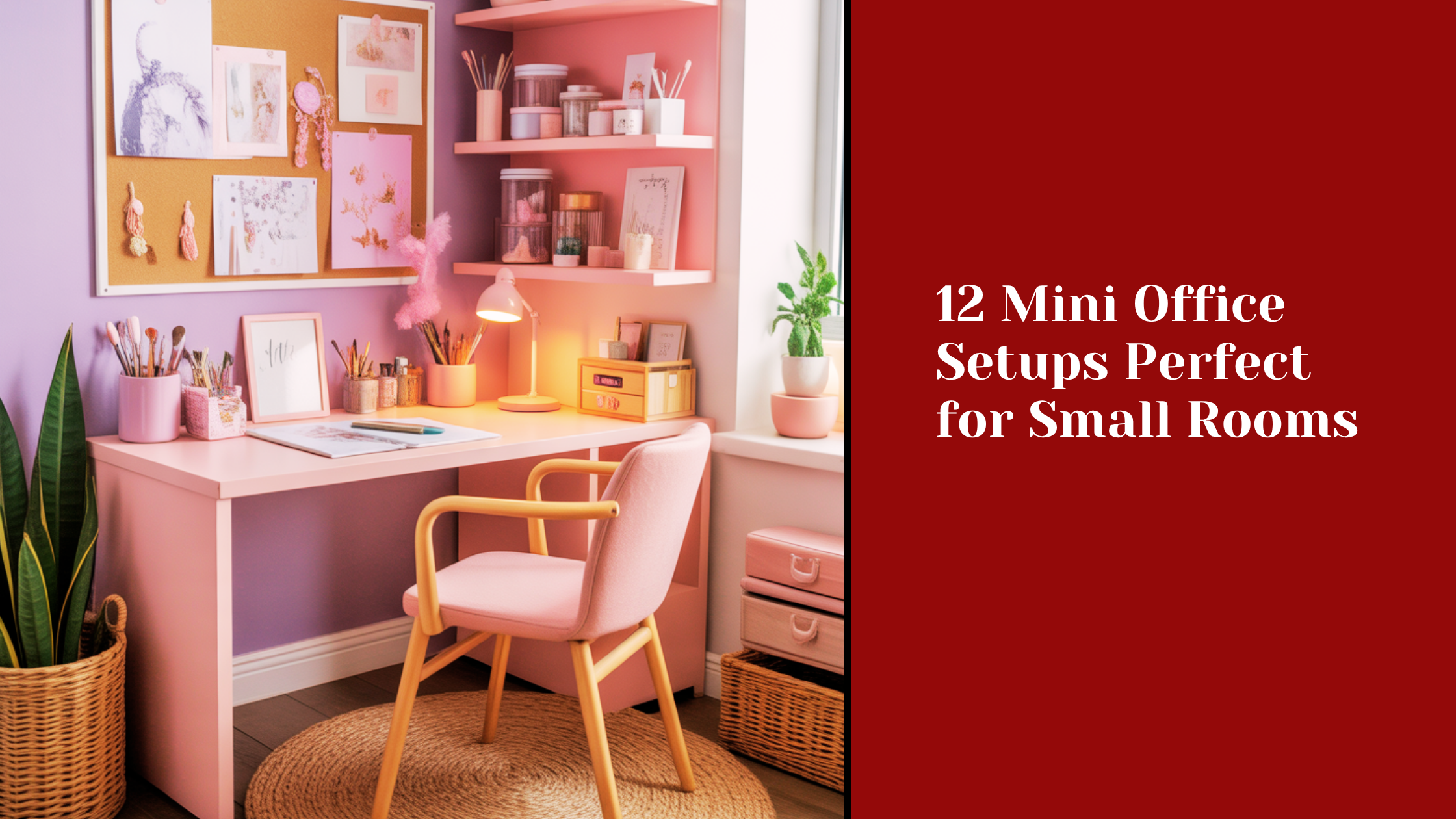
A small room does not mean small ideas. In fact, limited space often pushes you to become far more creative than you would in a large office. When every inch counts, you begin to notice clever storage tricks, smart desk layouts, and ways to make a workspace feel calm instead of cramped.
A mini office setup can turn a forgotten corner, an empty wall, or even a small closet into a productive space where you can focus, plan, and create. Many of the most impressive workspaces are surprisingly compact. They rely on thoughtful design, good lighting, and furniture that works harder than expected.
If you work from home, run a small business, study online, or simply need a quiet place to handle daily tasks, the right mini office setup can change everything. A smart layout makes the room feel bigger, keeps clutter under control, and helps you stay focused without feeling boxed in.
Let me show you twelve mini office setups that work beautifully in small rooms. These ideas prove that you do not need a huge space to create a workspace that looks great and functions even better.
The Corner Command Center
Corners are often the most ignored part of a room. A chair sits there for years. A pile of boxes appears. Somehow the corner becomes the official storage zone for things you meant to organize last year.
A corner office setup fixes that problem instantly.
A simple L-shaped desk fits naturally into the corner and uses space that normally sits empty. The design allows two work surfaces without taking up the center of the room. One side can hold a laptop or monitor while the other becomes a writing or planning area.
Wall shelves above the desk add vertical storage. This keeps supplies, books, and decor off the desk surface so the workspace stays clear. A small corkboard or pegboard also works well in this area because it turns the corner wall into a planning station.
Lighting makes a huge difference here. A slim desk lamp or wall-mounted light keeps the corner bright without crowding the desk.
From my own personal experience, corner desks make small rooms feel much more organized because everything stays contained in one tidy zone instead of spreading across the room.
The result feels purposeful, neat, and surprisingly spacious.
The Floating Desk Setup
If your room is extremely small, a traditional desk can feel like a giant piece of furniture that swallowed the entire space.
A floating desk solves that problem.
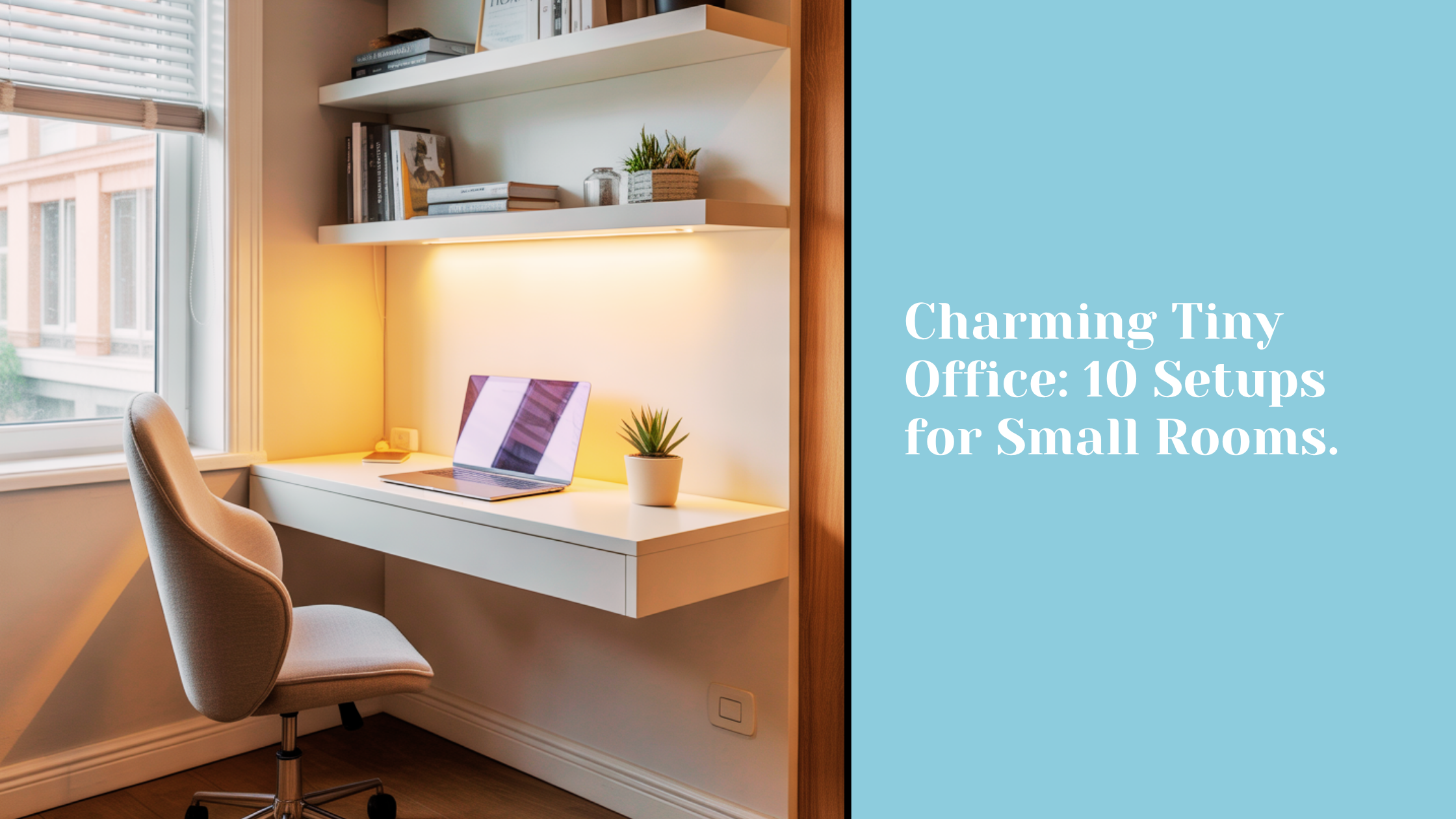
This setup uses a wall-mounted desk instead of a full desk with legs. The desk attaches directly to the wall, which leaves the floor area open. That open space instantly makes the room feel larger.
Floating desks work especially well in bedrooms or studio apartments where every inch matters. Many designs fold up when you are finished working, which means your office disappears when the workday ends.
Add two or three slim shelves above the desk for books, planners, and office tools. A small lamp or LED strip under the shelf keeps the area bright.
A comfortable chair that slides fully under the desk helps maintain the clean look.
This setup feels light, simple, and modern. It also prevents the classic “desk clutter mountain” that tends to grow when surfaces are too large.
The Closet Office Transformation
Closets hide one of the most surprising opportunities for a mini office.
Yes, the place where winter coats live can become a complete workspace.
A closet office, often called a “cloffice,” turns an unused closet into a compact but fully functional office. Remove the hanging rod, install a desk surface across the width of the closet, and add shelves above.
The walls create a natural frame around the workspace. This makes the area feel like a dedicated office even though it occupies very little room.
Paint the interior a different color from the rest of the room to create visual separation. Some choose soft neutrals while others go bold with deep green or navy.
Lighting is essential because closets rarely receive natural light. A small ceiling light or LED strip solves that quickly.
The best part of this setup is the ability to close the doors when work is done. One moment you have a productive office. The next moment the entire workspace disappears.
It is the ultimate “out of sight, out of mind” solution for small homes.
The Window View Workspace
Natural light improves almost every workspace. A desk placed near a window instantly feels more open and comfortable.
A mini window office setup uses a narrow desk placed directly under or beside a window. The desk should be slim enough to keep the room feeling airy but wide enough to hold a laptop and a few essentials.
Floating shelves above the desk help maintain a clean surface.
Plants work especially well in this setup. A small plant on the desk or shelf adds color and brings life into the workspace.
Looking outside during short breaks can help reset your focus. It also gives your eyes a break from staring at screens all day.
This type of setup feels peaceful and bright, which makes it perfect for writing, studying, or creative work.
The Minimalist Desk Nook
Some mini offices succeed because they do very little.
A minimalist desk nook focuses on simplicity. Instead of filling the area with shelves, cabinets, and accessories, the design keeps only what is essential.
The desk holds a laptop, a lamp, and maybe a notebook. That is it.
The wall may include one framed print or a small calendar. Storage stays hidden inside drawers or nearby cabinets.
This setup works beautifully in small rooms because visual clutter disappears. The eye sees clean lines and open space, which makes the room feel larger.
Minimalist workspaces also reduce distractions. When nothing competes for your attention, it becomes easier to focus.
Of course, the challenge is resisting the urge to add “just one more thing.” That habit turns a calm workspace into a busy one faster than expected.
The Vertical Storage Office
When floor space is limited, the solution is simple. Build upward.
A vertical storage office uses tall shelving and wall organizers to maximize every inch of wall space. The desk remains small, but the storage above it becomes the real star of the setup.
Stacked shelves hold books, storage boxes, and decorative items. A pegboard or wall grid keeps tools and supplies easy to reach.
This arrangement keeps everything within arm’s reach while preventing clutter from spreading across the desk.
The key is balance. Too many shelves can make the area feel crowded. Leave some open wall space so the room still feels breathable.
The result is a compact but highly efficient workspace.
The Fold-Down Desk Station
A fold-down desk is one of the most clever solutions for tiny rooms.
This desk mounts on the wall and folds flat when not in use. When you open it, the panel becomes the work surface.
Some designs include built-in shelves inside the folding cabinet. When the desk closes, the entire office hides behind a simple wall panel.
This setup works beautifully in bedrooms, living rooms, and small apartments where space must serve multiple purposes.
A comfortable chair that stores easily nearby completes the setup.
The fold-down desk proves that even a very small home can include a practical office area without sacrificing valuable living space.
The Bookshelf Desk Combo
Bookshelves are often large pieces of furniture. With a little creativity, they can also become a workspace.
A bookshelf desk combo integrates a desk directly into the shelving unit. The desk surface sits between shelves, creating a compact workstation surrounded by storage.
This setup keeps everything in one place. Books, supplies, and decor stay within reach without taking over the room.
The vertical structure also draws the eye upward, which helps the room feel taller.
This design works especially well for writers, students, or anyone who works with books regularly.
And if you enjoy organizing shelves by color, this setup gives you a perfect excuse to rearrange them for the hundredth time.
The Wall-to-Wall Slim Desk
Some rooms have narrow walls that seem difficult to use. A wall-to-wall slim desk turns that space into a productive workstation.
The desk stretches across the width of the wall but remains shallow so it does not crowd the room. This creates a long workspace that feels spacious even though the depth stays small.
Two small drawers or storage boxes can sit underneath.
Add a few shelves above the desk for additional storage and visual interest.
This design works well for multitaskers who need space for both a laptop and paperwork.
It also allows room for decorative touches like framed photos, plants, or a small lamp without making the desk feel crowded.
The Under-Stairs Micro Office
If your home includes a staircase, the space underneath often becomes a storage area for random items.
That awkward triangle can actually become a charming micro office.
Install a small desk that fits the slope of the ceiling. Add shelves that follow the angle of the stairs.
A compact chair and a small lamp complete the workspace.
The result feels surprisingly cozy. Many describe under-stairs offices as little creative caves where focus comes easily.
Once the space is organized, it quickly becomes one of the most interesting spots in the home.
The Rolling Desk Setup
Flexibility matters in small spaces. A rolling desk provides exactly that.
This desk sits on wheels, which means you can move it anywhere in the room depending on your needs. Work near the window in the morning, shift closer to the wall in the afternoon, and slide it away when you need more floor space.
Rolling desks usually include shelves or drawers underneath for storage.
They are ideal for multipurpose rooms where the same space serves as a bedroom, office, and hobby area.
Mobility keeps the workspace adaptable instead of fixed.
And yes, the wheels also make cleaning the floor dramatically easier, which is a bonus many mini office owners appreciate.
The Creative Corner Studio
Some mini offices exist for creativity rather than traditional desk work.
A creative corner studio might include a compact desk for drawing, crafting, writing, or designing. Storage containers hold supplies while shelves display inspiration boards, sketchbooks, or tools.
Lighting plays a major role in this type of setup. A strong desk lamp ensures clear visibility during detailed work.
The space should feel inspiring without becoming cluttered. Too many materials scattered around the desk can quickly turn creativity into chaos.
A few carefully chosen decorations, artwork, or colorful storage boxes can give the space personality while keeping it organized.
This setup proves that creative work does not require a giant studio. A small corner can become a powerful creative space.
Why Mini Offices Work So Well
Many assume a large office automatically leads to better productivity. Surprisingly, small workspaces often produce the opposite result.
A mini office encourages organization because there is simply no room for unnecessary clutter. Every item must serve a purpose.
This environment also creates a clear boundary between work and relaxation. Even if the office occupies a tiny corner, that space becomes mentally associated with focus and productivity.
Small offices also require less cleaning, less decorating, and less furniture.
The simplicity often leads to a calmer working environment.
Simple Tips That Make Any Mini Office Better
Even the best mini office benefits from a few practical improvements.
Lighting should always come first. A bright workspace reduces eye strain and improves focus.
Cable management keeps wires from turning into a tangled disaster under the desk.
Storage containers prevent small items from spreading across the workspace.
A comfortable chair supports long work sessions without causing discomfort.
And finally, keep a small amount of personal decor nearby. A plant, framed photo, or favorite notebook adds warmth to the space.
These small touches help transform a basic desk into a workspace you actually enjoy using.
A Small Space Can Still Hold Big Ideas
Mini office setups prove that great workspaces do not depend on square footage. Creativity, thoughtful design, and a little experimentation can turn even the smallest room into a productive environment.
A corner can become a command center. A closet can transform into a hidden office. A floating desk can turn an empty wall into a functional workstation.
Small spaces challenge you to think differently. That challenge often leads to the most interesting and effective designs.
Once you start exploring mini office ideas, you may even find yourself looking around the house with a new perspective. Suddenly every unused corner begins to look like potential office space.
And that is how many of the best small-room offices begin. One small idea leads to another, and before you know it, the tiniest workspace becomes one of your favorite spots in the home.