admin1.9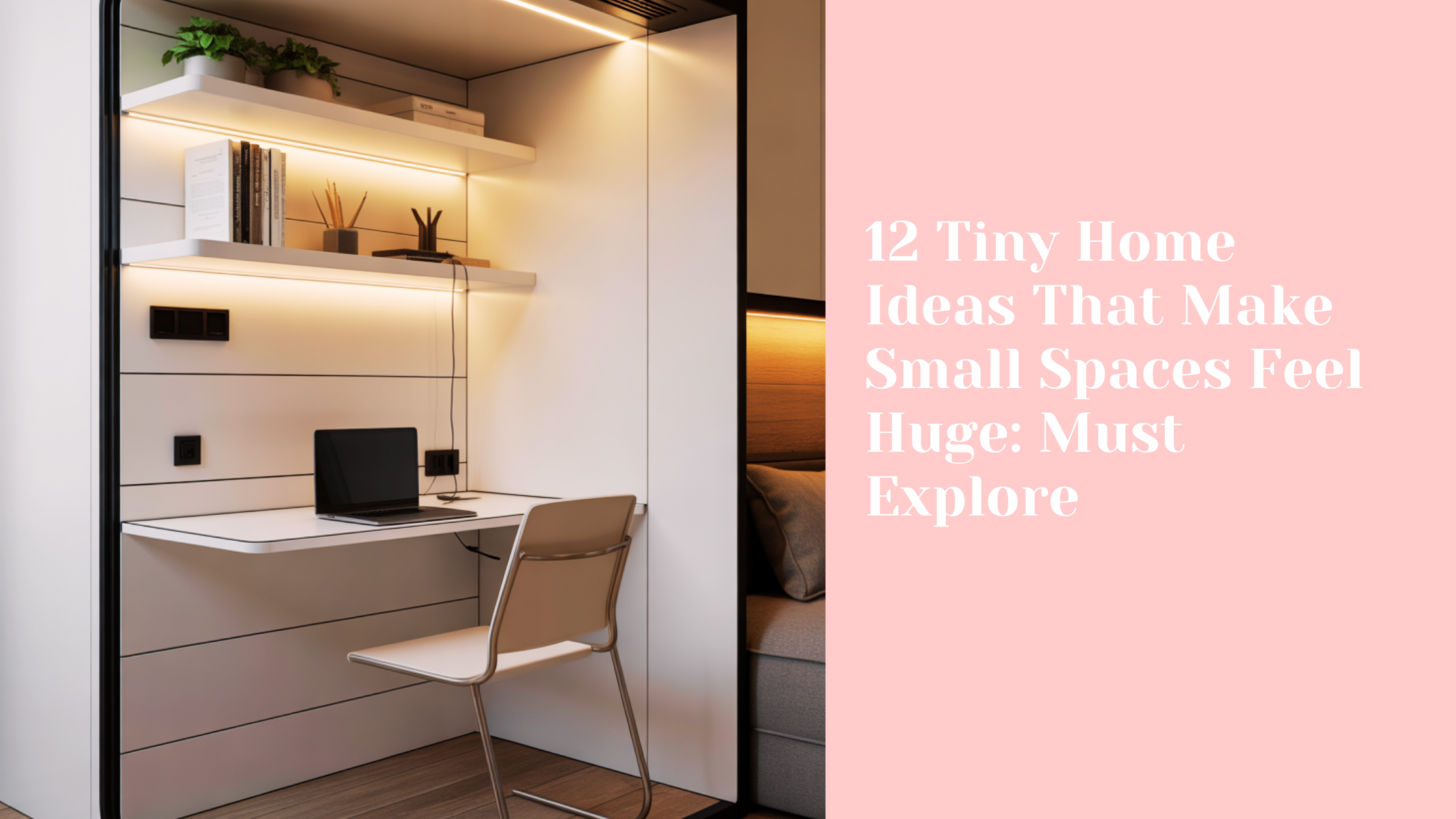
Living in a tiny home can feel like trying to fit a giraffe into a Smart car. But don’t worry—it’s not about shrinking your life; it’s about expanding your creativity. Tiny homes are not just about compact spaces; they are about clever design, smart storage, and making every square foot work for you. From my own personal experience, even a 250-square-foot apartment can feel like a mansion if you know the right tricks.
If you’ve ever thought that small living means giving up style, comfort, or fun, think again. Tiny homes are all about maximizing efficiency while keeping things beautiful and livable. Here are 12 tiny home ideas that make small spaces feel huge, inspired by innovative designs, clever layouts, and real-life solutions you’ll truly love to explore.
1. Embrace Open Floor Plans
One of the simplest ways to make a tiny home feel bigger is to ditch walls where you can. Open floor plans allow light to flow freely and create a sense of space. Imagine a living room that seamlessly connects to your kitchen, or a bedroom that blends with a study nook. Even if you only have a few hundred square feet, removing barriers can give you the feeling of extra room.
A tip from my experience: using furniture to define spaces instead of walls works wonders. A couch, a rug, or even a bookshelf can subtly divide areas without closing them off. It keeps your home feeling airy and uncluttered while still giving each space its purpose.
2. Use Multi-Functional Furniture
When you’re tight on space, every piece of furniture needs to pull double duty. Think beds that turn into sofas, tables that fold against the wall, or ottomans with hidden storage. Multi-functional furniture is a lifesaver in tiny homes because it eliminates clutter while still being practical.
For instance, I once lived in a studio apartment with a murphy bed that flipped up into a desk. It was magical to see the floor open up like a stage. Not only did it make the space feel huge, but it also gave me the freedom to move around without tripping over furniture. If you invest in furniture that works harder than you do, your home instantly feels larger.
3. Maximize Vertical Space
Tiny homes often struggle with floor space, but the ceiling is your secret weapon. Shelves, hanging storage, loft beds, and tall cabinets can help you use vertical space effectively. Think of your walls as a treasure trove of unused potential.
I’ve seen tiny homes where the owner built a lofted bedroom, freeing up the area below for a living room and desk. Not only does this approach save space, but it also adds a sense of dimension. Tall mirrors can also enhance this effect, reflecting light and giving the illusion of more height.
4. Use Light Colors and Reflective Surfaces
A dark, cramped space feels smaller than it is. Light colors and reflective surfaces trick the eye into perceiving more room. White walls, pale wood floors, and glossy finishes can make a tiny home feel open and inviting. Mirrors, metallic accents, and glass furniture amplify this effect.
From my overall experience, even a small kitchen can feel expansive with glossy cabinets and reflective backsplash tiles. Pair that with plenty of natural light, and you’ll wonder how your tiny home ever felt so small.
5. Incorporate Smart Storage Solutions
Clutter makes any space feel tiny. Clever storage can transform a small home into a roomy haven. Think under-bed drawers, built-in shelving, hidden cabinets, and furniture with storage compartments. Every nook and cranny can become a potential storage solution.
For example, staircases leading to lofts can double as storage drawers. Benches can hide blankets, books, or shoes. Hooks and pegboards keep items off the floor, making the home feel organized and spacious. It’s amazing how much bigger a space feels when everything has a place.
6. Let Natural Light In
Windows aren’t just for looking outside—they’re tiny home magic. Natural light makes a room feel open and airy, which is essential in small spaces. If you can, install large windows, skylights, or even glass doors to bring the outdoors in.
I once saw a tiny cabin with floor-to-ceiling windows on two sides. The effect was breathtaking. It didn’t matter that the cabin was only 300 square feet; it felt like living in a treehouse with endless space. Even a small window strategically placed can have a massive impact on perception.
7. Keep It Minimalist
Tiny homes don’t have room for excess. Minimalism isn’t just a style; it’s a necessity. Limit decorations, furniture, and non-essential items. Keep surfaces clear, and only display items that bring joy or serve a purpose.
From my own personal experience, it’s liberating to live with fewer things. You begin to appreciate quality over quantity, and every item has a reason to exist. Minimalism in a tiny home makes it easier to clean, easier to move around, and most importantly, easier to feel relaxed.
8. Create Zones With Rugs and Lighting
Even in an open floor plan, you can create separate zones for living, sleeping, and working without walls. Rugs, lighting, and furniture placement help define spaces while keeping the room open.
A colorful rug under a couch or a pendant light over a dining table subtly signals “this is the living area” or “this is the eating area.” It’s a simple trick that can make a tiny home feel organized and larger than it actually is.
9. Use Foldable or Hidden Workspaces
Work-from-home life can be tricky in small spaces, but tiny homes prove it’s possible. Foldable desks, wall-mounted tables, and pull-out counters let you work efficiently without dedicating permanent space to an office.
I once converted a narrow hallway into a fold-out workspace. By day, it was a corridor; by night, a functional office. It’s the perfect example of small space ingenuity that anyone can replicate. Hidden solutions like this make tiny living functional and enjoyable.
10. Incorporate Outdoor Spaces
If your tiny home has access to a balcony, patio, or garden, use it as extra living space. Outdoor areas expand your home visually and physically, giving you more room to relax, entertain, or even work.
I’ve seen tiny homes with patios that feel like outdoor rooms. Add a small table, chairs, or a hanging chair, and suddenly your home feels twice as big. Outdoor spaces also connect you to nature, which can make any space feel more open and refreshing.
11. Keep Floors Clear
A cluttered floor instantly makes a space feel smaller. Use wall-mounted storage, hanging baskets, and furniture with legs to keep floors visible. When you can see more of the floor, the room feels larger and easier to navigate.
One trick I love is to elevate furniture slightly on legs. Even a couch or bed raised a few inches can make a space feel airy and open. The visible floor area tricks the eye into perceiving extra room.
12. Add Personal Touches Strategically
While it’s important to keep things minimal, your tiny home shouldn’t feel like a sterile showroom. Add personal touches like art, photos, or plants—but strategically. Too many decorations can make a small space feel cramped, but a few well-placed items can make it feel cozy and welcoming.
From my overall experience, tiny homes shine when they reflect your personality without overwhelming the space. A single statement piece or a small gallery wall can add charm and character while keeping the area feeling open.
Wrapping It Up
Tiny homes prove that living small doesn’t mean sacrificing style, comfort, or fun. With clever design, smart storage, and a bit of creativity, you can make even the tiniest space feel like a palace. From open floor plans to multi-functional furniture, vertical storage to natural light, every choice can expand your home visually and practically.
If you’ve ever thought a small space couldn’t work for you, these 12 tiny home ideas show that it can not only work—it can inspire. Each idea is about maximizing space, enhancing functionality, and keeping life beautiful and organized.
The charm of tiny homes lies in their ingenuity. You’ll discover solutions you never imagined, and suddenly, even 300 square feet can feel luxurious. Whether it’s folding furniture, lofted beds, or outdoor extensions, these tricks make a small space feel huge. You’ll truly love exploring the endless possibilities tiny living offers.
Small spaces demand creativity, but they reward it tenfold. By applying these ideas, you’ll transform your tiny home into a place that feels expansive, comfortable, and completely yours. Trust me, once you master these techniques, you’ll never look at a small space the same way again.