admin1.9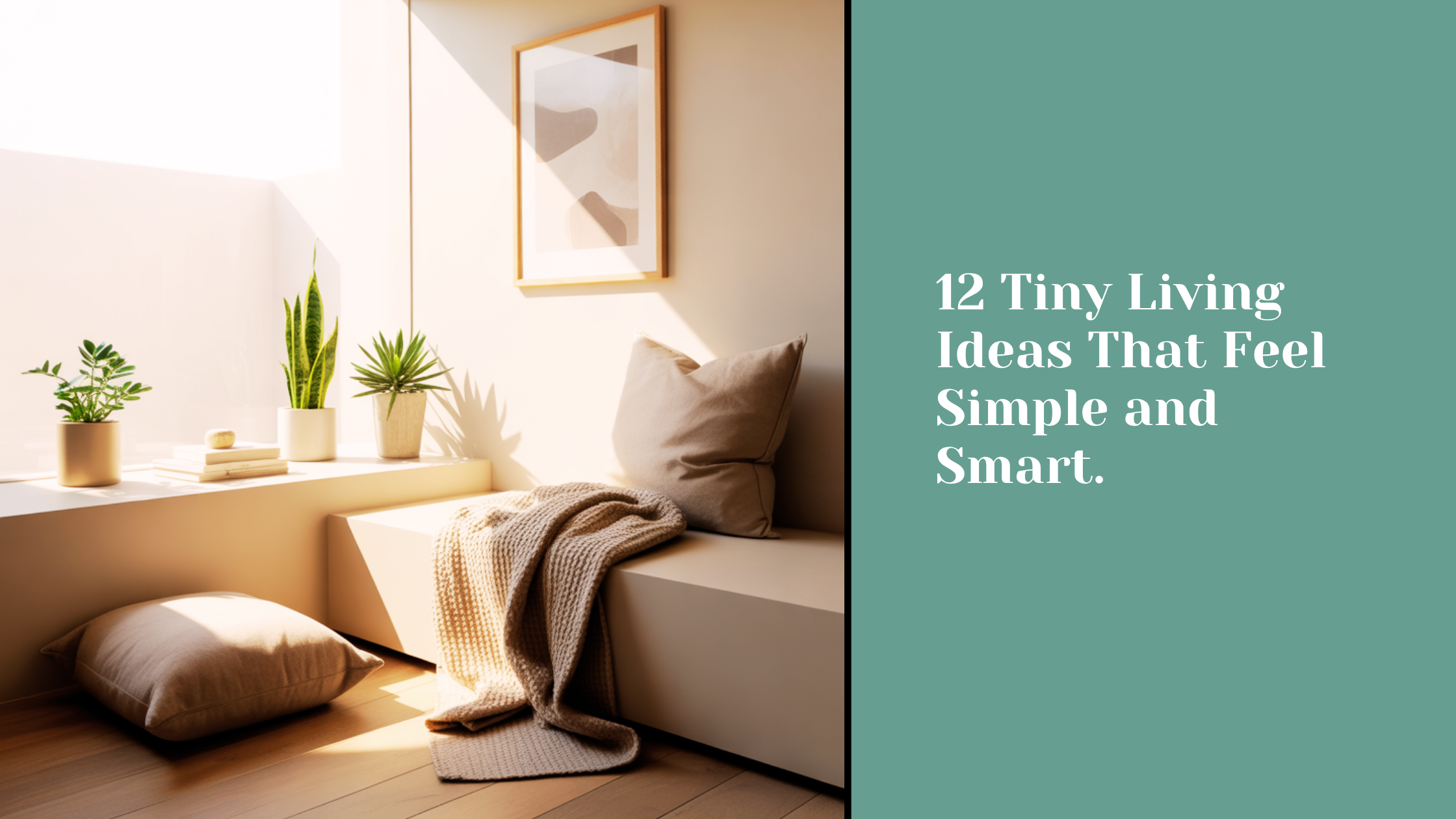
Small spaces push you to think differently. You look at every corner and ask a simple question: can this space do more? Tiny living works best when every item has a clear purpose. A chair offers storage. A wall becomes a shelf. A window seat becomes a cozy reading spot and a hidden drawer at the same time.
Tiny living does not mean giving up comfort. It means choosing ideas that work smarter. When you use space with intention, your home feels calm, organized, and easy to manage. From my own personal experience, a well-planned small space often feels more peaceful than a large house filled with unused rooms.
Let me walk you through twelve tiny living ideas that feel simple and smart. Each one shows how a small space can become more useful, more beautiful, and more enjoyable every day.
Hidden Storage Furniture That Works Twice as Hard
One of the first lessons in tiny living is simple. Furniture should do more than one job.
A sofa that opens into storage can hold blankets, seasonal clothes, or spare pillows. A coffee table with a lift-top can hide books, remotes, and board games. A bed frame with drawers can replace an entire dresser.
When you live in a small space, storage becomes a daily puzzle. Hidden storage solves that puzzle without adding clutter.
Think about a bench near the entrance. On the surface, it looks like a place to sit while putting on shoes. Lift the seat, and you have a storage box for bags, scarves, or even grocery totes.
Ottomans are another quiet hero of tiny homes. They act as a footrest, a seat for guests, and a storage container. Some designs even include trays on top, which turn the ottoman into a small table.
The beauty of hidden storage furniture is that it keeps the room calm. Nothing looks crowded, yet everything has a place.
Tiny living becomes easier when your furniture quietly works overtime.
Wall Space That Turns Into Functional Storage
Most homes ignore one very valuable area: the walls.
When floor space is limited, walls become your best friend. Shelves, hooks, and mounted cabinets turn empty vertical space into useful storage.
Floating shelves work well in almost any room. In the kitchen, they hold jars, bowls, and cooking tools. In the living room, they display books and plants. In a bedroom, they can replace bulky nightstands.
Wall hooks are surprisingly powerful. A row of hooks near the door can hold coats, hats, backpacks, and tote bags. This small setup keeps the entryway clean and organized.
Pegboards also deserve attention. They allow you to change storage easily. You can move hooks, baskets, and shelves whenever your needs change.
In a tiny home, flexibility matters. Pegboards offer that flexibility without taking much space.
Another clever option is tall vertical shelving. These shelves reach almost to the ceiling and create several layers of storage without expanding across the floor.
When walls become useful storage zones, the entire room feels more open.
Foldable Furniture That Appears Only When Needed
Tiny living rewards flexibility. The best pieces are the ones that appear when needed and disappear when not.
Foldable furniture does exactly that.
A wall-mounted folding desk can turn a corner into a workspace during the day. Once work ends, the desk folds up and the room returns to normal.
Drop-leaf tables also work well in small kitchens or dining areas. When guests arrive, the leaves expand. On regular days, the table stays compact.
Folding chairs provide extra seating without permanent clutter. You can store them in a closet or hang them on wall hooks.
Murphy beds are another brilliant idea. During the day, the bed folds into the wall. At night, it pulls down in seconds.
Some Murphy bed designs even include shelves or desks attached to the front. When the bed is closed, the furniture looks like a normal cabinet wall.
Foldable furniture keeps rooms open and adaptable. Instead of one fixed layout, your space changes with your daily routine.
Light Colors That Make Rooms Feel Larger
Color changes how a room feels.
Tiny spaces benefit from colors that reflect light and create a sense of openness. Light tones help walls appear farther apart.
White remains the classic choice. It brightens rooms and works with almost any decor style.
Soft gray offers a calm alternative. It adds warmth without making the room feel heavy.
Light beige or cream also creates a comfortable atmosphere. These tones feel warm while still keeping the room airy.
You can still add personality through small accents. A colorful cushion, a patterned rug, or artwork on the wall adds interest without shrinking the space.
Mirrors also help with brightness. A well-placed mirror reflects natural light and creates the illusion of depth.
A tiny room does not need dramatic colors everywhere. A simple palette allows the space to breathe.
Multi-Use Rooms That Change Throughout the Day
In a tiny home, one room often serves many purposes.
A living room may become a workspace in the morning, a dining room in the evening, and a movie lounge at night.
The trick is to design the room so each activity feels natural.
A small desk near a window works well as a daytime office. A folding table can extend the space when it is time for dinner.
Some tiny homes include a dining table that slides under a counter when not in use. Others use stackable stools that tuck neatly into corners.
Room dividers also help create temporary zones. A curtain or folding screen can separate sleeping space from work space.
This flexibility allows a tiny home to support daily life without feeling crowded.
Instead of separate rooms for every activity, the same space evolves throughout the day.
Smart Kitchen Layouts That Save Space
Tiny kitchens require thoughtful design.
Every inch matters, so storage and layout must work together.
Magnetic knife strips free up drawer space and keep tools easy to reach. Hanging racks store pots and pans without using cabinets.
Slim rolling carts fit between appliances and cabinets. These carts can hold spices, oils, and cooking tools.
Pull-out pantry shelves also make a big difference. They allow you to see every item without digging through crowded cabinets.
Another helpful trick is stacking containers. Clear containers store dry goods while keeping the pantry neat.
Open shelving in the kitchen can also reduce the feeling of crowding. When dishes and jars remain visible, the kitchen feels lighter and more accessible.
A tiny kitchen becomes efficient when every tool has a clear home.
Built-In Seating That Adds Storage
Built-in seating works beautifully in small homes.
A window seat creates a cozy reading corner while adding hidden storage underneath.
Dining benches with lift-up seats can store table linens, small appliances, or seasonal decorations.
Some tiny homes use built-in corner seating in the dining area. This design replaces several chairs and saves floor space.
Another benefit of built-in seating is stability. The furniture becomes part of the structure, which makes the room feel organized and intentional.
Add soft cushions and a few pillows, and the area becomes one of the most comfortable spots in the home.
A bench beside a window, for example, often becomes the place where you enjoy morning coffee or a quiet evening with a book.
Sliding Doors That Save Valuable Space
Traditional doors swing open and require clearance. In a tiny home, that swinging space can feel like wasted room.
Sliding doors solve this issue.
Barn-style sliding doors move along a wall instead of opening outward. This allows furniture to sit closer to the doorway.
Pocket doors slide inside the wall itself. When open, they disappear completely.
These doors work especially well for bathrooms, closets, and laundry areas.
Another advantage is visual simplicity. Sliding doors often create a clean, modern look that suits small homes.
A small change in door style can free up surprising amounts of space.
Smart Bathroom Storage That Keeps Things Organized
Tiny bathrooms often feel crowded because of small items scattered everywhere.
The solution is vertical storage.
Tall narrow cabinets fit beside sinks or toilets and provide several shelves for towels and toiletries.
Wall shelves above the toilet also create storage where none existed before.
Shower caddies keep shampoo and soap organized without cluttering the edges of the tub.
Another smart idea is using drawer organizers. These simple dividers keep grooming tools and cosmetics easy to find.
Mirrored cabinets above the sink offer two benefits. They provide storage and reflect light.
With the right storage system, even the smallest bathroom can feel calm and functional.
Outdoor Spaces That Extend Your Living Area
If your tiny home includes a balcony, patio, or small yard, that space becomes an important extension of your home.
A compact outdoor table can turn a balcony into a breakfast spot.
Foldable chairs allow the area to host guests without permanent clutter.
Potted plants add color and a fresh atmosphere. Even a few herbs can create a small garden.
String lights bring warmth during the evening and make the space feel inviting.
Outdoor rugs also define the area and make it feel like a true room.
A well-designed outdoor corner adds breathing room to tiny living.
Minimal Decor That Keeps the Home Calm
Decoration matters, but tiny homes benefit from restraint.
Too many decorative objects create visual clutter.
Choose items that bring real joy or serve a purpose.
A single framed print can have more impact than a crowded gallery wall.
A few plants add life and freshness without overwhelming the room.
Soft textiles such as cushions and throws provide comfort while keeping the design simple.
Minimal decor does not mean empty rooms. It means thoughtful choices.
When every item has a place and purpose, the home feels balanced.
Thoughtful Decluttering That Simplifies Daily Life
Tiny living works best when you keep only what you use and enjoy.
Decluttering becomes a regular habit.
Start by asking simple questions about each item. Do you use it often? Does it serve a clear purpose?
If the answer is no, the item may not belong in your space.
Clothes that no longer fit your lifestyle can leave your closet. Kitchen gadgets used once a year may not deserve a permanent spot.
The goal is not strict minimalism. The goal is clarity.
When you remove unnecessary items, cleaning becomes faster. Storage becomes easier. The home feels peaceful.
Many tiny home residents say the biggest benefit is mental calm. Fewer belongings often mean fewer distractions.
Tiny living becomes less about limitation and more about intention.
Tiny Living That Feels Smart, Comfortable, and Inspiring
Tiny living ideas are powerful because they focus on what truly matters.
Instead of filling space with unnecessary furniture or objects, you build a home that supports daily life in simple ways.
Smart storage keeps rooms organized. Flexible furniture allows spaces to change throughout the day. Light colors and thoughtful design help small rooms feel open.
The result is a home that feels efficient and comfortable at the same time.
You may begin exploring tiny living for practical reasons. Lower costs, easier cleaning, or a desire for simplicity often start the journey.
Yet many discover something unexpected along the way.
A smaller home often creates a calmer lifestyle. You spend less time managing possessions and more time enjoying your space.
These twelve tiny living ideas prove that a small home can still feel rich with comfort, style, and possibility.
Once you begin exploring these ideas, you may find yourself looking at every corner of your home with fresh curiosity. And that simple shift in perspective is often the first step toward living smarter in any space.