admin1.9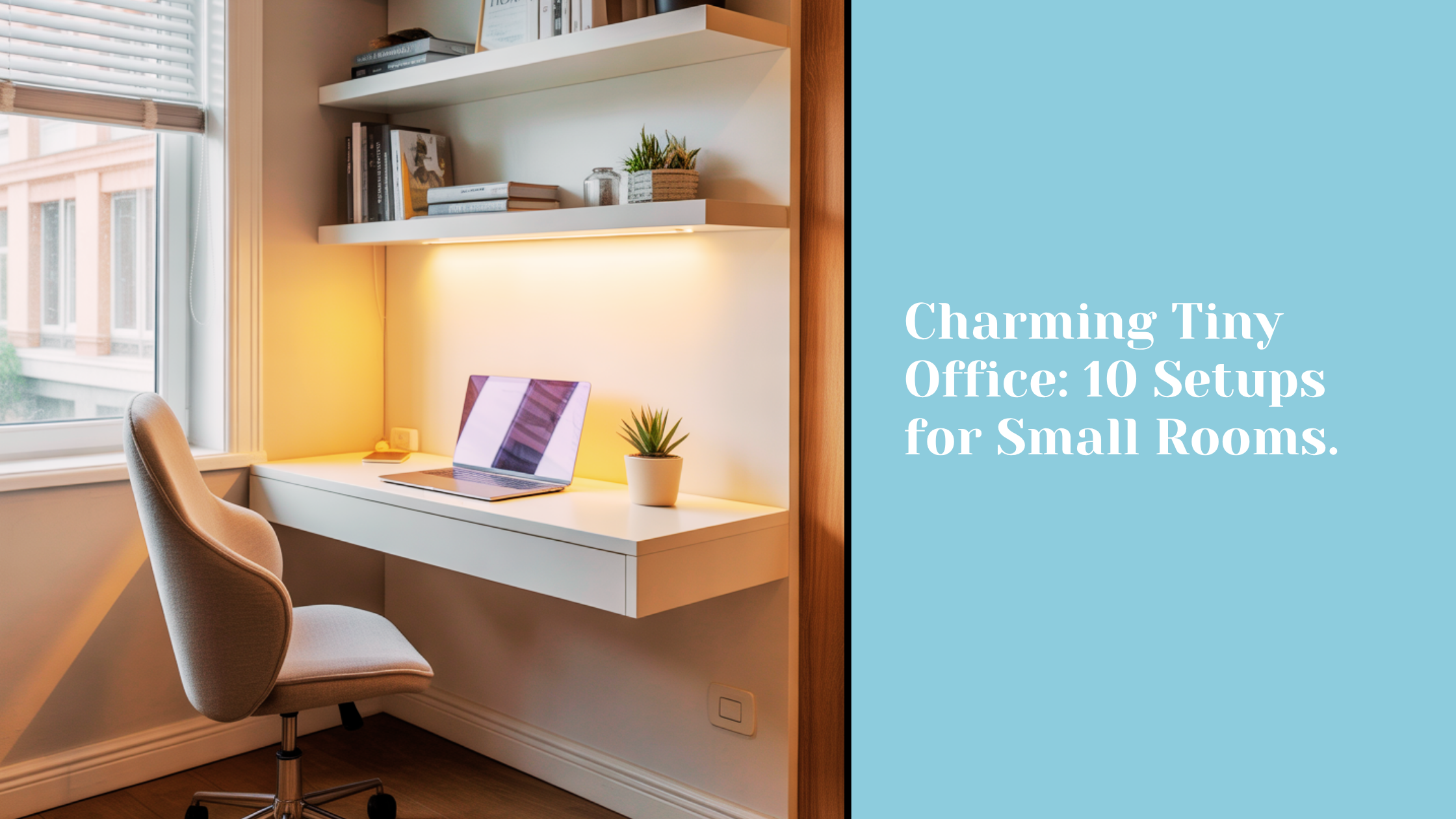
A small room can still hold big ideas. When you set up a tiny office with care, the space starts to work with you instead of against you. A compact office can feel calm, creative, and surprisingly productive. The trick is to design the space with purpose so every item earns its place.
Many homes now include a corner desk, a closet office, or a small spare room that doubles as a workspace. The good news is that you do not need a large room to create a workspace you enjoy using every day. A thoughtful layout, smart storage, and a bit of personality can turn even the smallest area into a place where you can focus and create.
If you have ever tried to work from a cramped kitchen table while your coffee mug fights for space with your laptop, you already know why a tiny office matters. A dedicated spot, even a very small one, can improve your focus and help you separate work from the rest of your home life.
In this guide, you will explore charming tiny office setups that work beautifully in small rooms. Each idea shows how you can transform a compact area into a workspace that feels organized, comfortable, and inspiring.
the Meaning of a Charming Tiny Office
A charming tiny office is more than a desk pushed into a corner. It is a carefully arranged workspace that balances function and personality in a small footprint.
The word “tiny” refers to the limited size of the space. This could mean a narrow wall area, a closet conversion, a corner of your bedroom, or a small spare room.
The word “charming” adds personality. A charming office feels welcoming. It includes thoughtful details such as warm lighting, personal décor, clever storage, and a layout that makes the room feel inviting rather than cramped.
When you combine these two ideas, you get a workspace that feels intentional instead of temporary. A charming tiny office makes you want to sit down and get things done.
From my own personal experience, even a tiny desk corner can change how you approach work during the day. When your workspace feels organized and comfortable, you focus better and waste less time searching for things.
A charming office does three simple things well.
It supports your work.
It keeps your space organized.
It creates a pleasant atmosphere.
Now let’s explore tiny office setups that truly make small rooms shine.
Corner Desk Office That Uses Every Inch
One of the easiest ways to build a tiny office is to claim an unused corner.
Corners often sit empty in small rooms. A corner desk turns that overlooked space into a productive area without taking over the room.
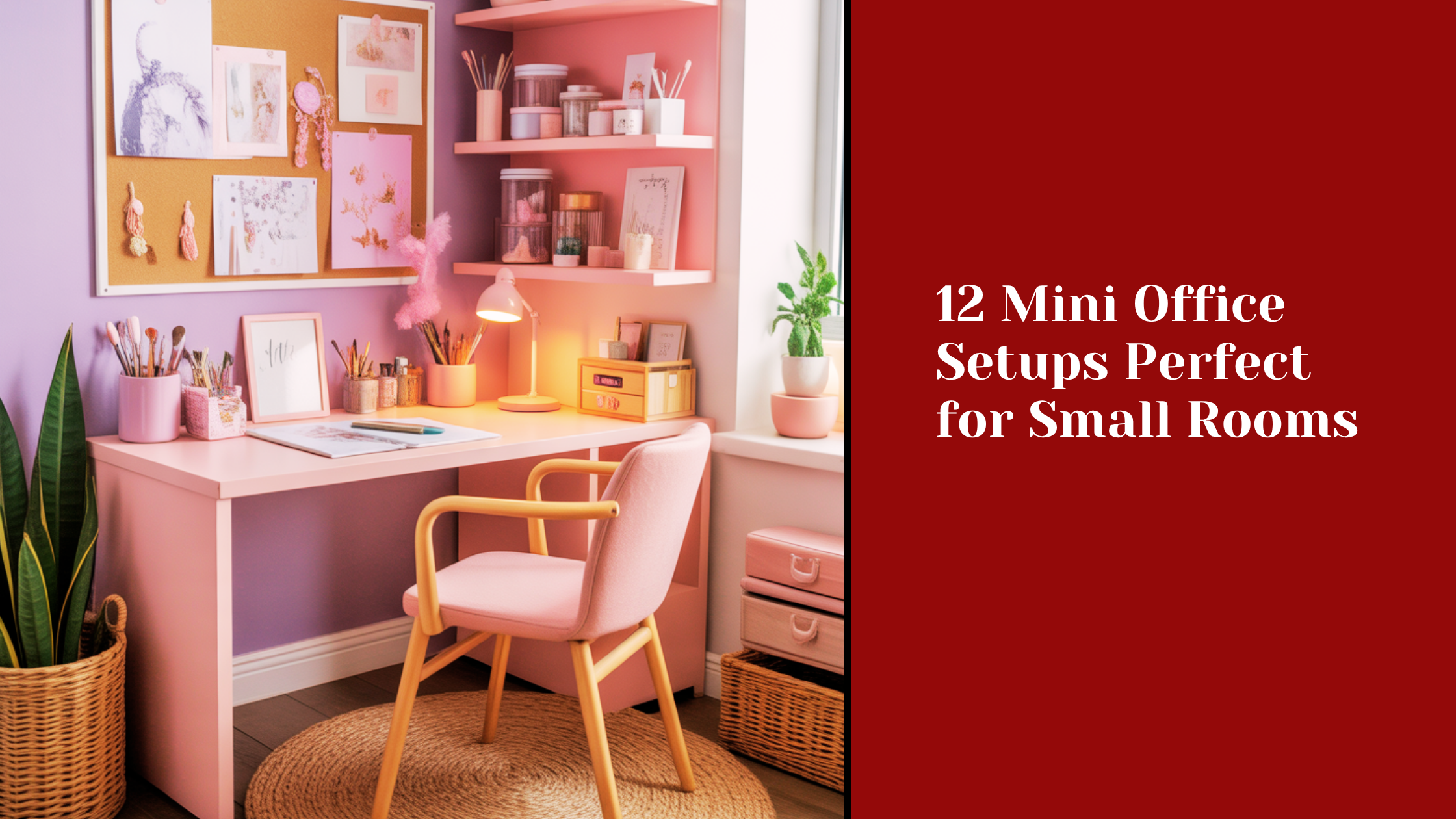
A compact L-shaped desk works especially well because it provides two surfaces. One side can hold your laptop or computer, while the other side can support notebooks, a lamp, or a small plant.
Wall-mounted shelves above the desk help you store items vertically. This keeps the desk surface clear while still keeping everything within reach.
A comfortable chair is important here. Since corners can feel tight, choose a chair that slides neatly under the desk.
Lighting also plays a big role. A small desk lamp or wall-mounted light can brighten the space and make the corner feel more open.
This type of setup works well in bedrooms, living rooms, and studio apartments. It quietly blends into the room while still giving you a proper place to work.
Closet Office That Feels Like a Hidden Workspace
A closet office, often called a “cloffice,” is one of the most creative tiny office solutions you can try.
If you have a spare closet that rarely gets used, you can convert it into a compact office with surprising style.
Start by removing the closet rod and installing a desk surface along the back wall. This creates an instant workstation.
Add floating shelves above the desk to store supplies, books, or decorative items. Because the space is narrow, vertical storage makes a huge difference.
Good lighting is essential inside a closet office. A small wall light or LED strip can brighten the area so it feels comfortable instead of cramped.
When you finish working for the day, you can close the closet doors and hide the entire office. This simple trick helps maintain a clean and organized home.
A closet office is perfect for apartments and small houses where every square meter counts.
Window Desk Setup That Feels Bright and Calm
A window can transform a tiny office instantly.
Placing your desk near natural light makes the space feel larger and more inviting. Sunlight also improves focus and mood during long work sessions.
Choose a slim desk that fits comfortably under the window. This keeps the layout clean and prevents the room from feeling crowded.
Simple décor works best in this setup. A small plant, a notebook holder, and a lamp are usually enough.
The view outside can act as a natural break during your workday. When your eyes need rest from the screen, you can look up and enjoy the scenery.
This setup works beautifully in small bedrooms and compact living areas. The desk becomes part of the room instead of dominating it.
Floating Desk Office for Minimalist Spaces
A floating desk is one of the smartest solutions for very small rooms.
This type of desk attaches directly to the wall and does not require legs or a bulky frame. Because of that, the floor area stays open and the room feels less crowded.
Floating desks work well in hallways, bedroom corners, or even small wall sections that seem too narrow for furniture.
You can pair the desk with a simple stool or compact chair that slides underneath when you are done working.
Adding a few floating shelves above the desk completes the workspace without taking up much room.
The overall effect is clean, modern, and surprisingly practical.
If you enjoy minimalist interiors, this setup can feel both stylish and functional.
Fold-Down Desk That Disappears When You Are Done
A fold-down desk is perfect if you want your office to appear only when needed.
This design includes a wall-mounted panel that folds open to create a desk surface. When you finish working, the desk folds back up against the wall.
Some fold-down desks even include small storage compartments inside.
This setup works well in very small apartments where a permanent desk might take up too much room.
It also fits nicely in multipurpose spaces such as guest rooms or living areas.
When the desk is closed, the room returns to its normal layout. No clutter. No extra furniture.
It is a simple idea, yet it can completely change how you use a small room.
Built-In Tiny Office Nook That Feels Custom
If you want a workspace that looks intentional and polished, a built-in office nook is a great option.
A built-in desk fits perfectly between two walls or inside a recessed space.
Because the desk is designed for that exact area, it often feels more spacious than a standard desk.
Shelves or cabinets above the desk can store books, documents, or office supplies.
You can also add small decorative items such as framed prints or plants to give the nook personality.
A built-in office nook works especially well in small spare rooms, attic spaces, and under staircases.
Instead of leaving awkward spaces unused, you turn them into a functional workspace.
Ladder Desk That Combines Storage and Style
A ladder desk is a clever piece of furniture designed for compact spaces.
The desk leans against the wall and includes several shelves that extend upward like a ladder.
The lower shelf usually serves as the desk surface. The upper shelves hold books, storage boxes, and decorative items.
This design uses vertical space beautifully.
A ladder desk works well if you need storage but do not want a bulky cabinet.
It also adds visual interest to the room because the structure looks light and modern.
In small rooms, furniture that serves multiple purposes always makes life easier.
Tiny Office With Pegboard Organization
A pegboard wall can turn a simple desk into an organized and flexible workspace.
Instead of using drawers, you attach hooks, shelves, and containers directly to the pegboard.
This system allows you to rearrange storage whenever your needs change.
You can hang notebooks, scissors, headphones, or small baskets for supplies.
Pegboards also add personality to the office. You can display photos, art prints, or inspiration boards without cluttering the desk.
This setup works well for creative workspaces such as crafting, design, or writing.
It keeps tools visible and easy to reach while still maintaining order.
Under-Stair Tiny Office That Uses Forgotten Space
The space beneath a staircase often goes unused.
With a little creativity, you can turn that area into a charming tiny office.
A narrow desk can fit neatly under the stairs. The sloped ceiling above creates a cozy atmosphere that feels like a hidden nook.
Built-in shelves along the wall help maximize storage.
Soft lighting can make the space feel warm and inviting.
This type of office works well in small houses where traditional office rooms are not possible.
Instead of leaving the space empty, you turn it into a functional and stylish workspace.
Cozy Bedroom Office Corner That Feels Relaxed
Sometimes the simplest office setup works best.
A cozy bedroom corner can become a productive workspace with just a few thoughtful touches.
Choose a compact desk that fits comfortably along the wall.
Add a comfortable chair and a small lamp for focused lighting.
Wall shelves or a narrow bookcase can store supplies without taking up too much floor space.
A soft rug under the chair can help define the office area and make the space feel separate from the rest of the bedroom.
Decorate the wall with a few pieces of artwork or framed prints that inspire you.
Even in a small bedroom, this simple arrangement can create a pleasant place to work.
Tips That Make Tiny Offices Work Better
A charming tiny office succeeds because of smart design choices.
The first rule is to keep clutter under control. Small rooms fill up quickly, so every item should have a clear purpose.
Vertical storage helps a lot. Shelves, pegboards, and wall organizers allow you to store items without crowding the desk.
Lighting also matters more than you might expect. A well-lit workspace feels larger and more comfortable.
Choose furniture that fits the scale of the room. Oversized desks and chairs can overwhelm a small area.
Multipurpose furniture can also make a big difference. A desk with storage or a fold-down surface saves valuable space.
Finally, add a few personal details that make the space enjoyable. A plant, a framed photo, or a favorite notebook can bring warmth to the office.
Why Tiny Offices Can Feel Surprisingly Productive
Many large offices struggle with distractions. Large rooms invite clutter, extra furniture, and unnecessary items.
Tiny offices encourage simplicity.
You keep only what you need. The result is a workspace that supports focus and efficiency.
A small office also creates a sense of routine. When you sit at that desk, your mind quickly shifts into work mode.
Even a tiny workspace can help you separate work time from relaxation time at home.
That simple boundary can make your day feel more structured and less chaotic.
Final Thoughts on Creating a Charming Tiny Office
A small room should never limit your creativity or productivity.
With thoughtful design, a tiny office can become one of the most enjoyable spaces in your home.
Corners, closets, windows, and unused areas all hold potential. When you look at your home with fresh eyes, you may discover the perfect spot for a compact workspace.
The key is to design with intention. Choose furniture that fits the room, keep clutter under control, and add details that make the space feel inviting.
A charming tiny office proves that you do not need a large room to create a workspace that feels inspiring.
Sometimes the smallest spaces deliver the biggest ideas.