admin1.9
Small spaces have a funny way of teaching you life lessons. One minute you feel confident about your organization skills, and the next minute you open a cabinet and a tower of plastic containers launches itself toward your face like it has been waiting for its moment of freedom. Living in a compact home forces you to think differently. Every drawer matters. Every shelf counts. Every corner has potential.
The good news is that small spaces often become the most efficient spaces once you learn a few smart organization tricks. When everything has a place, daily tasks move faster. You stop searching for keys. You stop digging through drawers. You stop wondering where that missing roll of tape disappeared to. Instead, your home begins to work with you.
Smart organization also gives your home a calmer feeling. Clutter shrinks your space visually and mentally. Clear surfaces and well-planned storage make even a tiny room feel lighter. You begin to move through your day without small frustrations slowing you down.
If your home feels crowded, or if simple tasks take longer than they should, the ideas below can help. These twelve small space organization tips save time every day. Many are simple. Some might make you laugh at how obvious they seem once you try them. All of them help turn a cramped space into a smart one.
Let’s explore the organization tricks that truly make small living easier.
Use Vertical Space Like a Pro
Most small homes struggle with the same problem: not enough storage. The mistake many homeowners make is thinking only in terms of floor space. The real secret hides in the vertical direction.
Look up. Your walls hold more storage potential than you may realize. Tall shelving units, wall hooks, pegboards, and stacked storage systems instantly expand your space. When you use height wisely, you free up valuable surfaces.
A simple set of floating shelves can change a room completely. In the kitchen, they hold dishes, spices, or cooking oils. In a living room, they display books or decorative pieces. In an office corner, they store supplies that once crowded your desk.
Tall shelves also draw the eye upward. This creates the illusion of a larger room. A cramped space begins to feel more open because your storage now rises vertically instead of spreading outward.
Another clever trick involves stacking clear bins on high shelves. Label them clearly. Seasonal items, extra cleaning supplies, or spare linens fit well in these containers. Because they remain visible, you avoid the dreaded “mystery box problem.”
Small homes reward vertical thinking. The moment you stop ignoring the wall space above your head, storage suddenly multiplies.
Create a Drop Zone Near the Entrance
If clutter had a favorite hiding place, it would probably choose the entryway. Shoes pile up. Keys disappear. Bags land on chairs. Mail spreads across tables like confetti.
A simple drop zone solves most of these problems instantly.
The idea is straightforward. Create a designated area where daily items land the moment you walk through the door. This area can include hooks, a small shelf, a narrow bench, or a wall-mounted organizer.
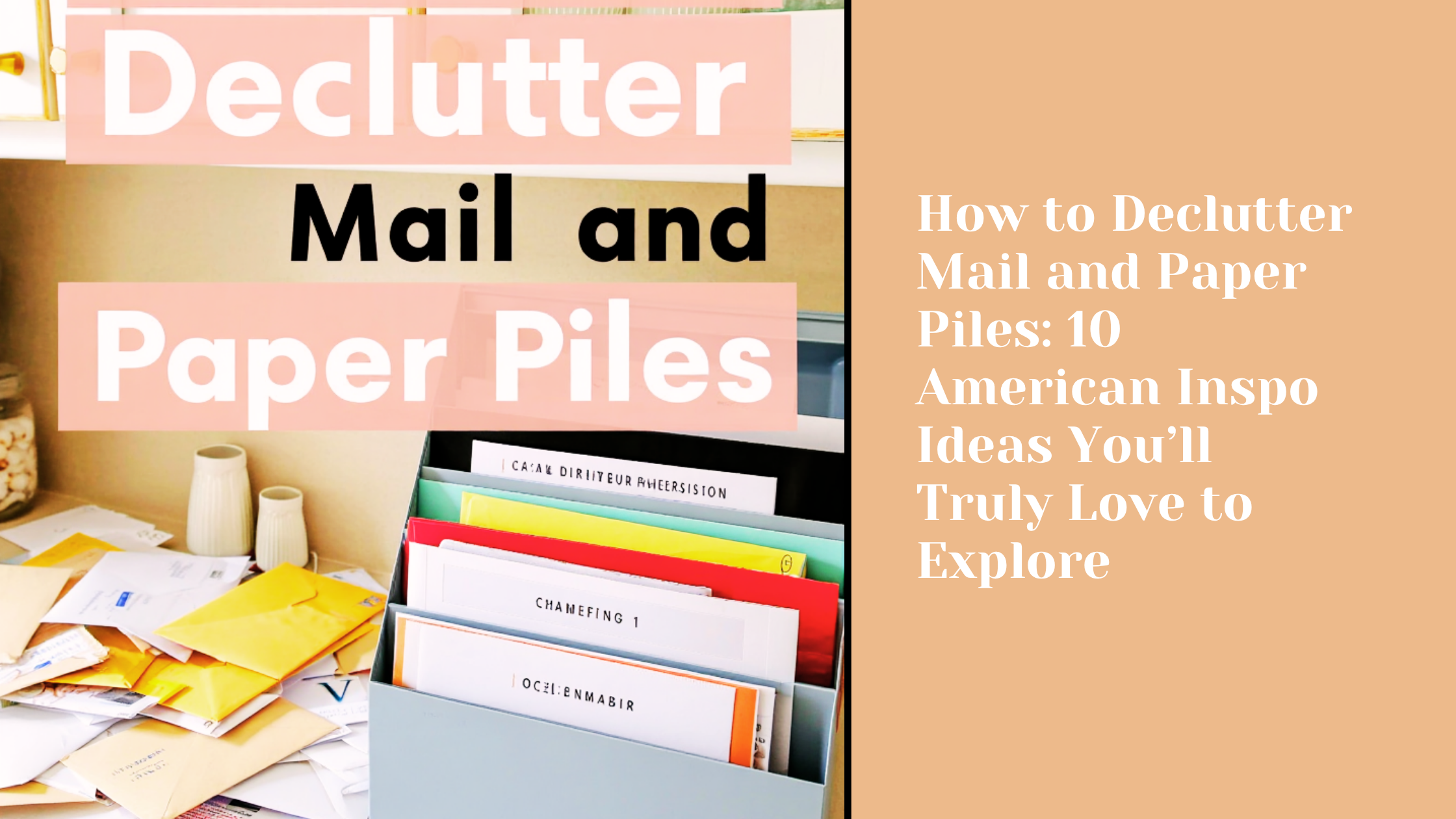
Hooks hold bags, coats, and umbrellas. A tray or small bowl keeps keys from vanishing. A basket underneath collects shoes. Mail slots or a small file holder keep papers from spreading across the house.
The beauty of a drop zone lies in habit. Once you train yourself to place items in this area, clutter stops traveling deeper into your home. You save time because you always know where essentials live.
Even the smallest apartment can support a tiny entry system. A few hooks on the wall and a slim shelf often provide enough structure to stop daily chaos.
Your future self will thank you every morning when your keys appear exactly where you left them.
Use Drawer Dividers Everywhere
Drawers begin their lives neat and hopeful. Then life happens. Socks mix with random receipts. Pens roll into mysterious corners. Tape, batteries, and paper clips form a strange alliance that nobody asked for.
Drawer dividers restore order.
These simple tools create small compartments that keep items separated. Kitchen drawers become easier to manage when utensils sit in designated sections. Office drawers stay neat when pens, chargers, and sticky notes each receive their own area.
Bathroom drawers benefit just as much. Makeup, hair ties, and skincare products stop sliding around each time you open the drawer.
Clear acrylic dividers work well because they allow you to see everything instantly. Wooden dividers also look beautiful in kitchens and offices.
The main advantage is speed. Instead of digging through a pile of items, you open a drawer and grab exactly what you need.
Based on my overall experience, this single trick often creates the biggest improvement in daily efficiency. A well-organized drawer removes tiny frustrations that happen dozens of times each week.
And once you experience the joy of opening a perfectly arranged drawer, you may feel tempted to organize every drawer in your home.
Store Items Where You Use Them
This tip sounds obvious, yet many homes ignore it. Items often live far away from the place where they get used.
Cleaning supplies might sit in a hallway closet while the bathroom struggles without them. Cooking tools might hide in a distant cabinet instead of near the stove.
Relocating items to the correct location saves surprising amounts of time.
For example, keep bathroom cleaning wipes under the sink. Store cooking utensils next to the stove. Place a small basket for TV remotes beside the couch.
Think about daily routines. If you make coffee every morning, keep the coffee, filters, and mugs in the same zone. If you wrap gifts often, place tape, scissors, and wrapping paper in a single container.
This method creates natural workflow zones inside your home.
You move less. You search less. You complete tasks faster.
When every item lives close to its purpose, your home begins to feel intuitive.
Use Clear Containers for Quick Visibility
Mystery containers waste time. You open one box, then another, then another, hoping the item you want appears before frustration sets in.
Clear storage containers solve this problem immediately.
Transparent bins allow you to see contents without opening lids. This works especially well for pantry storage, craft supplies, and office materials.
In the kitchen, clear jars show how much pasta, rice, or cereal remains. In closets, clear bins display seasonal accessories like scarves or gloves.
Another advantage involves visual order. When containers match in shape and style, shelves appear cleaner and calmer.
Labeling containers adds another layer of clarity. Even if you remember what lives inside today, labels help tomorrow when your memory decides to take a day off.
The combination of clear containers and labels transforms chaotic shelves into organized systems that make sense instantly.
Turn Doors Into Hidden Storage
Doors rarely receive attention during organization projects. Yet they hold excellent storage potential.
The back of a door can store dozens of useful items.
Over-the-door organizers work well in bathrooms for toiletries, hair tools, and cleaning supplies. In bedrooms, they hold shoes, accessories, or folded clothing.
Kitchen doors can support spice racks or small baskets for foil and plastic wrap. Pantry doors work beautifully for snack storage.
Even cabinet doors can carry small racks or hooks. Measuring spoons, pot lids, and cutting boards often fit perfectly on the inside of cabinet doors.
These hidden storage spots keep items accessible while freeing up shelves and counters.
When you begin viewing doors as storage surfaces, you discover new opportunities in nearly every room.
Adopt the One-Minute Rule
Some organization methods require complicated systems. This one requires only a small shift in behavior.
The one-minute rule states that if a task takes less than one minute, complete it immediately.
Hang the jacket now. Put the mug in the dishwasher now. Return scissors to their drawer now.
These tiny actions prevent clutter from growing.
Many messes form because small tasks get delayed. One item becomes three items. Three items become a pile. Soon a full cleaning session becomes necessary.
The one-minute rule stops clutter before it starts.
This habit also saves time because quick tasks never accumulate into larger chores.
Think of it as a daily maintenance system for your home.
Use Multipurpose Furniture
Small homes benefit from furniture that performs multiple jobs.
A storage ottoman provides seating and hidden storage. A bed with drawers underneath stores clothing or blankets. A coffee table with shelves holds books and remote controls.
Multipurpose furniture reduces the number of separate storage units required in a room.
Consider a bench with storage at the foot of the bed. It holds extra bedding while providing a place to sit while dressing.
A desk with built-in shelves keeps office supplies organized without needing additional cabinets.
Even a simple stool can double as a side table when space gets tight.
Choosing furniture that works harder allows your home to remain open and uncluttered.
Create Small Storage Zones
Large storage areas often become chaotic. A single closet can quickly turn into a confusing mix of unrelated items.
Breaking storage into zones fixes this issue.
Inside a closet, dedicate sections to specific categories. One shelf holds cleaning supplies. Another shelf stores extra towels. A basket keeps light bulbs together.
Kitchen cabinets benefit from zones as well. One section holds baking tools. Another holds everyday dishes. A small container keeps snack items grouped together.
Zones create mental maps inside your home. You know exactly where to look because each area serves a clear purpose.
This approach reduces searching time dramatically.
Your home begins to feel organized because every item belongs to a defined area.
Rotate Seasonal Items
Small spaces struggle when every item stays accessible all year.
Seasonal rotation helps solve this problem.
Store winter coats, holiday decorations, and heavy blankets in bins when warmer months arrive. When temperatures drop again, swap them back.
This rotation frees up daily storage areas for items you currently use.
Under-bed containers, high shelves, and storage benches work well for seasonal items.
Label each container clearly so you know what waits inside.
This system keeps closets from overflowing while ensuring everything remains accessible when needed.
Keep Surfaces Clear
Cluttered surfaces make a room feel smaller instantly.
Counters, tables, and desks function best when they remain mostly clear.
Try limiting each surface to a few intentional items. A lamp, a small plant, or a decorative object works well. Everything else should live in drawers or shelves.
Clear surfaces simplify cleaning as well. A quick wipe replaces a complicated shuffle of objects.
Your home also feels calmer when visual clutter disappears.
The room gains breathing space, even if the square footage remains the same.
Do a Five-Minute Reset Each Evening
A short daily reset keeps small spaces under control.
Before bedtime, spend five minutes returning items to their proper places. Put dishes away. Fold blankets. Return stray items to drawers or baskets.
This quick routine prevents clutter from building overnight.
Morning begins in a tidy space, which creates a more relaxed start to the day.
The reset also protects the organization systems you worked hard to create.
Small spaces stay manageable when you maintain them consistently.
Why Small Space Organization Changes Daily Life
A well-organized home does more than look nice. It improves your routine.
You waste less time searching for items. Cleaning becomes easier. Rooms feel calmer. Even small apartments begin to feel spacious when clutter disappears.
Organization also builds helpful habits. When systems work well, maintaining them requires little effort.
What once felt like a cramped space begins to feel efficient and comfortable.
Small homes reward creativity and thoughtful design. With the right strategies, they often function better than larger homes filled with unused space.
The twelve tips above offer practical ways to transform your space without expensive renovations or complicated systems.
Sometimes the smallest changes create the biggest improvements. A hook on the wall. A labeled container. A short evening reset.
These simple steps save time every day and help your home work exactly the way you need it to.
And once your home starts cooperating instead of fighting back, daily life becomes a lot smoother. Even that drawer full of mysterious items might finally behave.