admin1.9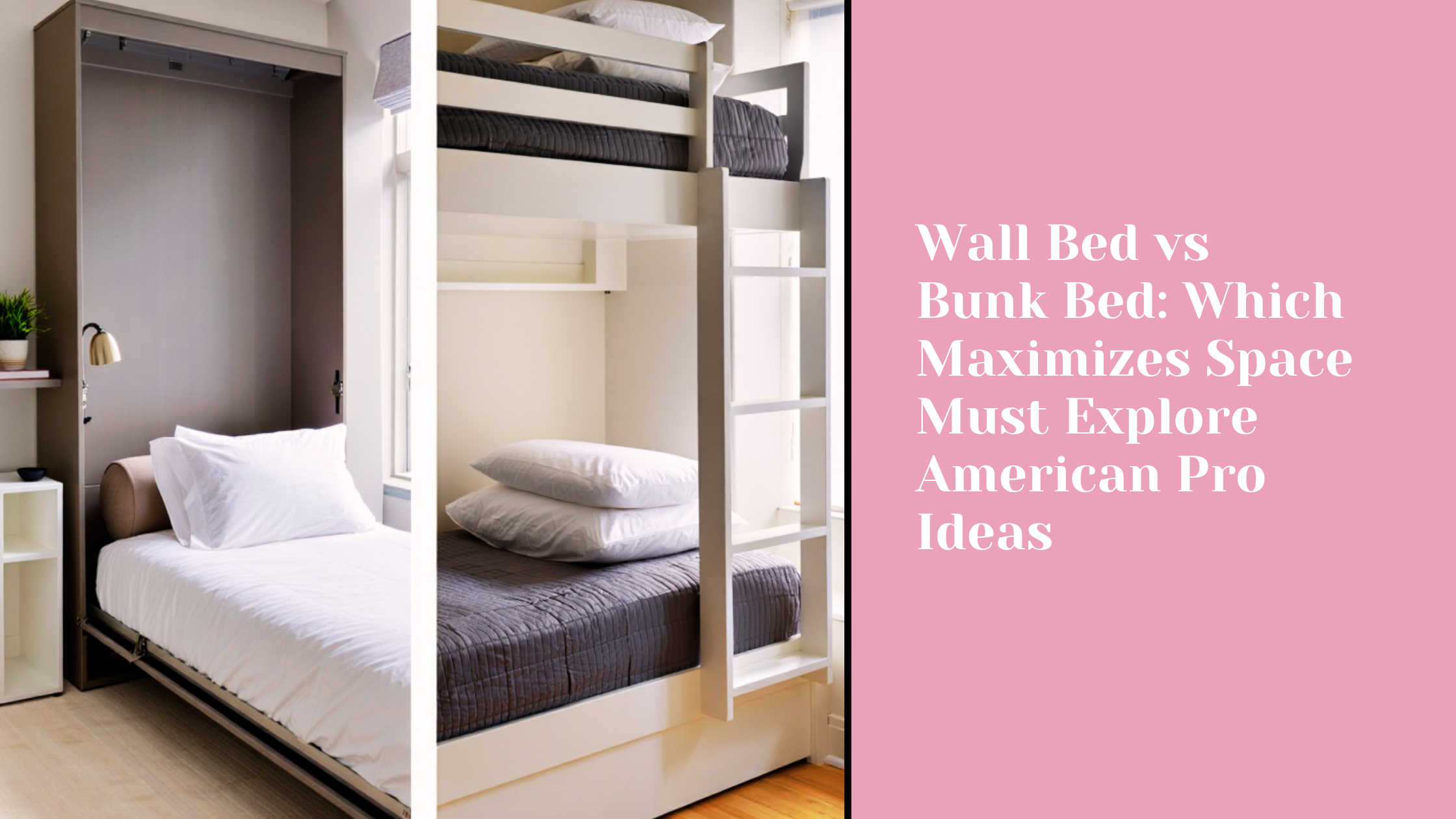
If you’ve ever walked into a small bedroom and thought, “There has to be a better way to fit all my stuff and still have room to move,” then you’re in the right place. Space is one of those things we never realize we’re short on until it smacks us in the face. And for anyone living in apartments, tiny homes, or just trying to make a kid’s room functional without it feeling like a storage closet, the choice between a wall bed and a bunk bed becomes surprisingly crucial.
From my own personal experience, I’ve seen both options in action, and each has its charm, quirks, and moments of sheer frustration. But when it comes to maximizing space, you need to think beyond “just a place to sleep.” You have to think about function, lifestyle, style, and, yes, even how much your back will appreciate the choice. So, let’s dive in and explore the must-see ideas from American design pros that will help you decide once and for all: wall bed or bunk bed?
The Charm and Genius of Wall Beds
Wall beds, also known as Murphy beds, have been around for over a century, yet they still feel like a little slice of magic in modern homes. Imagine walking into a room, pushing a panel, and, voila!, a comfortable bed appears as if by wizardry. It’s like having a secret weapon in your interior design arsenal.
The appeal is obvious: a wall bed gives you floor space that’s otherwise occupied by a bed. In a studio apartment, this can transform your living room into a yoga space by day and a cozy sleeping nook by night. But it’s not just about floor space. Modern wall beds come with clever additions like fold-out desks, storage cabinets, and even bookshelves built into the frame. So when you buy one, you’re not just getting a bed, you’re getting multifunctional furniture that practically pays rent.
One of the best things about wall beds is their versatility. From my own personal experience, I installed one in my guest room, and suddenly the room became the go-to spot for game nights, office work, and even small dance practice sessions. Sure, it was a little intimidating at first, pulling a bed down from the wall can feel like launching a spaceship, but once you get the hang of it, it’s almost addictive.
The Practical Magic of Bunk Beds
Now, let’s talk bunk beds. These are the undeniable champions of shared rooms. If you have two kids in a small bedroom, or if sleepovers are a frequent occurrence, bunk beds are practically a requirement. They stack beds vertically, which is a simple but brilliant way to maximize floor space. And the best part? Bunk beds often come with clever storage solutions tucked underneath, like drawers or pull-out trundle beds.
Bunk beds are not without personality. You can find designs ranging from traditional metal frames to elaborate wooden castles or loft-style setups with desks underneath. They give a room character while still keeping everything functional. From my own personal experience, my niece’s bunk bed doubled as a mini play area, and every time I visited, it felt like entering a tiny adventure zone rather than a bedroom.
Of course, bunk beds have their quirks. Climbing up and down can be a challenge for younger kids, and safety is always a concern. But for the space-conscious home, a bunk bed can literally free up a third of your room. That’s right—a third of your room suddenly available for toys, homework, or an impromptu indoor picnic.
Space Maximization: What the Pros Say
American design pros are unanimous about one thing: it’s not just about choosing a bed; it’s about optimizing the room’s flow. A wall bed works best in rooms that have multiple functions—a guest room, an office that doubles as a bedroom, or even a living room in a tiny apartment. Bunk beds shine when the priority is sleeping multiple people comfortably in a compact space.
One interesting tip from pro designers is to consider the furniture placement when deciding. Wall beds should be installed on walls that don’t have obstructions like windows, radiators, or light switches that could interfere with the fold-out mechanism. For bunk beds, the ceiling height is crucial—you want at least three feet of clearance above the top mattress to prevent bumping heads. This is where the American pro ideas really come into play: small details like these make a huge difference in daily life.
Another pro tip is to think about future flexibility. Wall beds can turn a single-purpose room into something multifunctional in a snap. Bunk beds, while less versatile in terms of transforming the space, can sometimes be split into two separate beds later on, giving you long-term adaptability.
Style Meets Functionality
Here’s where the debate gets fun. Wall beds are sleek and modern, perfect for a minimalist or contemporary aesthetic. They hide away completely, making a room feel bigger than it really is. Bunk beds, on the other hand, allow for playful creativity. You can choose themes, colors, and even add slide attachments if you’re going full American-style kids’ dream bedroom.
From my own personal experience, style is not something you want to compromise on. A room that maximizes space but feels like a storage closet will still feel cramped and uninspiring. The trick is to choose a bed that complements the room’s character while keeping it functional.
Clever Storage Ideas You’ll Truly Love
Here’s where things get exciting. Both wall beds and bunk beds offer hidden storage potential that you might overlook at first glance. With wall beds, you can integrate shelves, cabinets, or even secret compartments for clothes, books, and gadgets. Bunk beds, especially loft styles, give you the chance to add desks, drawers, or even a cozy reading nook underneath.
One of the most clever American pro ideas I’ve seen is combining a wall bed with a fold-out desk. During the day, it’s a fully functional workspace. At night, it’s a comfortable sleeping spot. For bunk beds, adding storage drawers under the bottom bunk eliminates the need for additional dressers, freeing up floor space for movement or play. These solutions are not just space-saving—they’re game-changers in how you live in a compact space.
Safety and Comfort Considerations
Let’s get real for a second. Maximizing space is fantastic, but safety and comfort should always come first. Wall beds need proper installation—don’t just trust your handyman friend or that DIY video on YouTube. A poorly installed wall bed can tip or malfunction, which is a nightmare waiting to happen. Bunk beds need guardrails and sturdy ladders, especially for kids.
Comfort is also key. A wall bed often allows for a high-quality mattress since it doesn’t have to conform to a frame that stacks vertically. Bunk beds sometimes require thinner mattresses, which might compromise sleep quality. If you’re planning to sleep on the bed regularly, this is something to consider carefully.
Making the Choice
So, how do you decide? Honestly, it comes down to lifestyle and priorities. If you need multifunctionality and clean aesthetics, a wall bed is likely your best friend. If you have multiple sleepers, kids, or frequent guests, a bunk bed is the way to go.
From my own personal experience, I found that the ideal approach in some spaces is a hybrid mindset: wall beds for multipurpose rooms, bunk beds for kid-centric rooms. You don’t have to limit yourself to one solution; sometimes the best space maximization strategy involves mixing and matching.
Must-See American Pro Ideas
Here’s where it gets really fun. Some American interior designers have taken these concepts to the next level. There are wall beds with integrated bookshelves that span the entire wall, making your room feel like a cozy library when the bed is folded up. Bunk beds have evolved into lofts with slides, climbing ropes, and built-in desks, turning bedrooms into small adventure hubs.
If you’re looking for ideas you truly need to see, consider the following:
- Wall beds with built-in desks and shelves for dual-purpose rooms.
- Bunk beds that include under-bed trundles or drawers for hidden storage.
- Loft-style bunk beds that turn vertical space into functional living areas.
- Modular wall beds that allow you to change the room layout without heavy lifting.
These designs aren’t just clever—they’re transformative. You’ll truly love the way they maximize every inch of your space while keeping your room stylish and practical.
Final Thoughts
Deciding between a wall bed and a bunk bed isn’t just about beds—it’s about reclaiming your space, improving your room’s functionality, and adding a touch of style. Both options have unique advantages and clever solutions that American designers have been perfecting for decades. From my own personal experience, I can confidently say that the key is to think beyond the bed itself. Consider storage, flow, safety, and aesthetics. When you do, you’ll discover solutions that make your space feel larger, brighter, and infinitely more livable.
Whether you’re an apartment dweller, a parent, or just someone who loves clever design, exploring these options will open your eyes to possibilities you never thought existed. Wall beds and bunk beds aren’t just furniture—they’re tools to help you live smarter, sleep better, and enjoy your space to the fullest.
If you’re ready to make the leap, start by measuring your space, assessing your priorities, and imagining the possibilities. Then, dive into the world of American pro designs that maximize every square foot with style, ingenuity, and a hint of fun. You’ll truly love the transformation, and your room will thank you.