admin1.9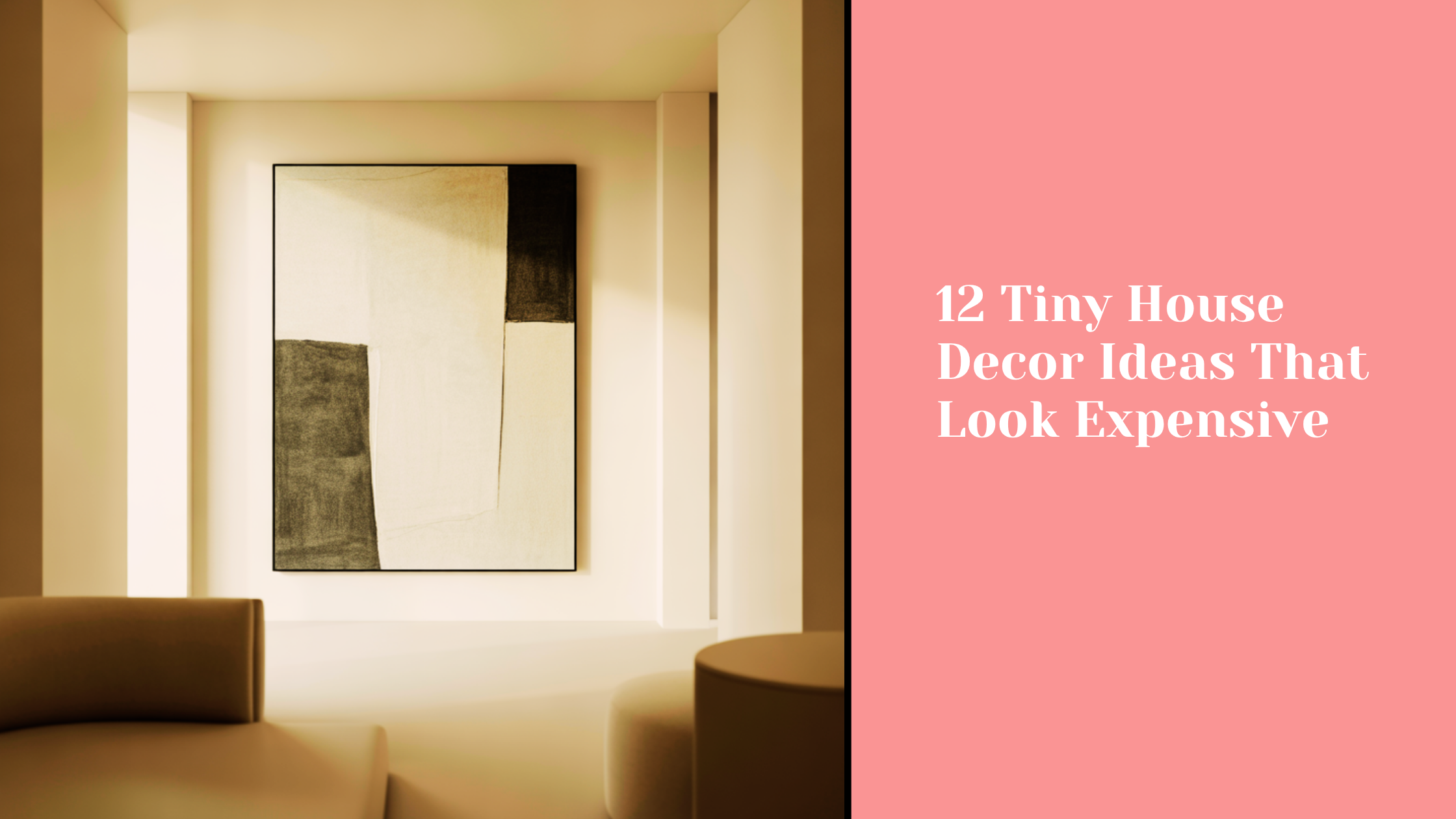
A tiny home can feel rich in style even with a small footprint. You do not need a huge budget or a mansion-sized living room to create a space that feels polished, cozy, and impressive. In fact, tiny homes often look more refined because every detail matters. Each chair, lamp, and shelf has a purpose. When you make smart choices, a compact space can feel like a carefully curated design studio rather than a cramped room.
Many expensive-looking homes share the same secret: thoughtful design, clever layering, and attention to small details. The good news is that these ideas work even better in a tiny home. When space stays limited, creativity takes the lead. You focus on quality, balance, and smart placement instead of filling every corner.
If you want your tiny house to look stylish without draining your wallet, these ideas will help you transform your space. Some rely on simple swaps, while others use clever decorating tricks that designers love. Let’s explore twelve tiny house decor ideas that look expensive and create a home you will truly enjoy spending time in.
the Meaning of Expensive-Looking Decor in a Tiny House
Before jumping into the ideas, it helps to understand what “expensive-looking decor” really means. Many assume it requires luxury furniture or designer pieces. That is rarely the case. Expensive style usually comes from thoughtful design choices.
High-end spaces tend to share a few traits. They use balanced colors, clean layouts, and carefully chosen textures. Instead of filling a room with random items, everything feels intentional. Lighting looks warm and inviting. Furniture fits the space instead of overpowering it. Decorative items appear curated rather than cluttered.
In a tiny house, this approach works perfectly. When you limit the number of items in a room, every piece becomes more important. A beautiful chair stands out more. A simple lamp feels elegant instead of lost in the background. A well-placed plant becomes a focal point.
The meaning of expensive-looking decor is simple. It is about creating harmony and visual balance. It is about making a space feel calm, organized, and thoughtfully styled.
Based on my overall experience, tiny homes often have an advantage over larger homes in this area. When you decorate a large space, you sometimes fill areas just to avoid emptiness. In a tiny house, every item earns its place.
Statement Lighting That Elevates the Entire Room
Lighting can instantly change how a room feels. A beautiful light fixture often becomes the star of a small space. Instead of using plain ceiling lights, consider a chandelier, sculptural pendant, or modern hanging lamp.
A bold light fixture draws the eye upward. This simple trick makes a room feel taller and more spacious. It also adds a touch of personality.
You do not need an expensive designer piece. Many affordable lighting options look surprisingly high-end. Look for clean shapes, warm finishes, and interesting materials such as glass, brass, or matte black metal.
In a tiny house kitchen, a single pendant light above a small table can create a cozy café feeling. In the living area, a sculptural ceiling light adds style without taking up valuable floor space.
Lighting works like jewelry for a room. A simple outfit becomes elegant with the right accessories, and a tiny home becomes stylish with the right lighting choice.
Neutral Color Palettes That Feel Calm and Elegant
Neutral colors often create the most expensive-looking interiors. Soft whites, warm beiges, light grays, and gentle earth tones help a space feel calm and refined.
These colors also make a tiny home appear larger. Bright and light tones reflect natural light and open the room visually. Dark or overly busy colors can make a small space feel crowded.
A neutral palette does not mean boring. You can mix different shades and textures to keep the room interesting. A cream sofa, a soft gray rug, and wooden accents create depth without overwhelming the space.
Adding a few darker elements also helps anchor the room. A black picture frame or a dark wood table can provide contrast while keeping the overall look balanced.
When you step into a tiny home with a calm color palette, the space feels peaceful. That feeling often matches the atmosphere of luxury homes.
Floor-to-Ceiling Curtains for Instant Drama
Many small homes use short curtains that stop just above the window frame. While practical, this choice often makes ceilings appear lower.
Floor-to-ceiling curtains solve this problem instantly. When you hang curtains high above the window and allow them to fall to the floor, the room appears taller.
This decorating trick works wonders in tiny homes. It creates the illusion of larger windows and higher ceilings.
Choose simple fabrics in soft colors such as linen, cotton, or light velvet. Avoid overly busy patterns that might overwhelm the room.
Curtains also soften the space. Hard surfaces like walls and floors benefit from the gentle texture of fabric. The result feels cozy, elegant, and welcoming.
Layered Textures That Add Depth
Luxury interiors rarely rely on a single texture. Instead, they combine several materials to create visual interest. Tiny homes benefit from this approach because it adds richness without clutter.
Think about layering different textures across your space. A woven rug, a soft throw blanket, linen pillows, and wooden furniture all work together to create depth.
Even small touches can make a difference. A knitted blanket on a sofa or a textured pillow on a chair adds comfort and style.
When textures mix well, the room feels complete. The space gains warmth and personality without needing more furniture or decoration.
Floating Shelves That Combine Style and Function
Storage can be tricky in a tiny home. Cabinets and bulky furniture quickly fill valuable space. Floating shelves offer a stylish solution.
These shelves keep the room feeling open while providing storage and display space. You can place books, plants, candles, or decorative objects on them.
Floating shelves also allow you to create small design moments. Instead of hiding everything inside cabinets, you can display a few carefully chosen items.
Keep the arrangement simple. Too many objects can create clutter. A few books, a plant, and a framed photo often look better than a crowded shelf.
This idea works well in kitchens, living rooms, and even bathrooms. A well-styled shelf can look like a design feature instead of basic storage.
Mirrors That Expand the Space
Mirrors act like magic in tiny homes. They reflect light and make rooms appear larger. Designers use mirrors often to open up small areas.
A large mirror on one wall can transform a compact living room. It reflects both light and space, creating the illusion of depth.
You can also place mirrors opposite windows to bounce natural light throughout the room.
Choose mirrors with interesting frames to add style. A simple wood frame or sleek metal border can turn a mirror into a decorative piece.
Even a narrow hallway feels brighter and more welcoming with a well-placed mirror.
Built-In Seating That Feels Custom and Luxurious
Custom furniture often gives a home a polished and expensive look. Built-in seating offers that feeling without requiring a large renovation.
A small bench along a wall can double as seating and storage. A window seat can become a cozy reading spot. A built-in dining bench can replace bulky chairs.
This type of seating saves space and creates a custom appearance. It feels intentional and well designed.
You can add cushions, pillows, and throws to make the area comfortable. The result looks stylish while serving multiple purposes.
Minimalist Wall Art That Creates Focus
Too many decorations on the wall can overwhelm a small space. Instead, choose a few pieces of artwork that stand out.
Large art often works better than many small pieces. A single bold painting or photograph can become a focal point.
Simple frames in neutral colors help keep the room feeling calm. Artwork should complement the room rather than compete with it.
You can also create a small gallery wall with matching frames if you prefer variety. Just keep the arrangement organized and balanced.
Art brings personality into the home and helps your space feel complete.
Stylish Storage Baskets That Hide Clutter
Clutter quickly makes any home look messy, especially in small spaces. Storage baskets provide a simple solution.
Woven baskets, fabric bins, or wooden boxes can hold blankets, books, toys, or everyday items.
These baskets add texture while keeping things organized. Place them under benches, beside sofas, or on shelves.
The goal is to hide clutter while maintaining easy access. When everything has a place, the home feels calm and polished.
Indoor Plants That Bring Life to the Space
Plants instantly make a home feel fresh and welcoming. Even one or two plants can transform a tiny house.
Choose plants that suit your lighting conditions. Snake plants, pothos, and small ferns work well in many spaces.
Plants add color and texture while improving the atmosphere of a room. They soften sharp lines and create a natural balance.
You can place plants on shelves, windowsills, or small tables. Hanging planters also work well in tiny homes because they do not take up floor space.
A touch of greenery can make your home feel alive and vibrant.
A Beautiful Rug That Anchors the Room
Rugs play an important role in interior design. They help define spaces and add comfort.
In a tiny home, a rug can anchor the living area or bedroom. It also adds warmth underfoot and softens hard flooring.
Choose a rug that fits the space well. A rug that is too small can make the room feel disjointed.
Neutral rugs often work best in small spaces. Subtle patterns can add interest without overpowering the room.
A well-chosen rug ties the furniture together and gives the room a finished look.
Thoughtful Decorative Accents That Feel Curated
Expensive interiors often feel curated rather than cluttered. Decorative accents should feel intentional.
Instead of filling shelves with random objects, choose a few items that you truly enjoy. These could include candles, books, ceramic bowls, or small sculptures.
Arrange them in small groups to create visual balance. Vary heights and shapes to keep the display interesting.
The key is restraint. A few beautiful objects can create more impact than many unrelated items.
When every item feels meaningful, your tiny home gains character and charm.
Final Thoughts on Tiny House Decor That Looks Expensive
Tiny homes offer a unique opportunity to design with purpose. Every item matters. Every detail contributes to the atmosphere of the space.
When you focus on lighting, color, texture, and thoughtful decoration, even a small home can feel elegant and welcoming. The goal is not to fill every corner but to create balance.
A stylish tiny home does not depend on a large budget. It depends on creativity and smart choices. Simple touches like layered textures, beautiful lighting, and curated decor can completely transform your space.
With the right ideas, a compact home becomes more than just a place to live. It becomes a space that feels warm, personal, and thoughtfully designed. And once you start experimenting with these ideas, you may discover that decorating a tiny home is one of the most enjoyable design challenges you will ever explore.